
Last updated November 20, 2026
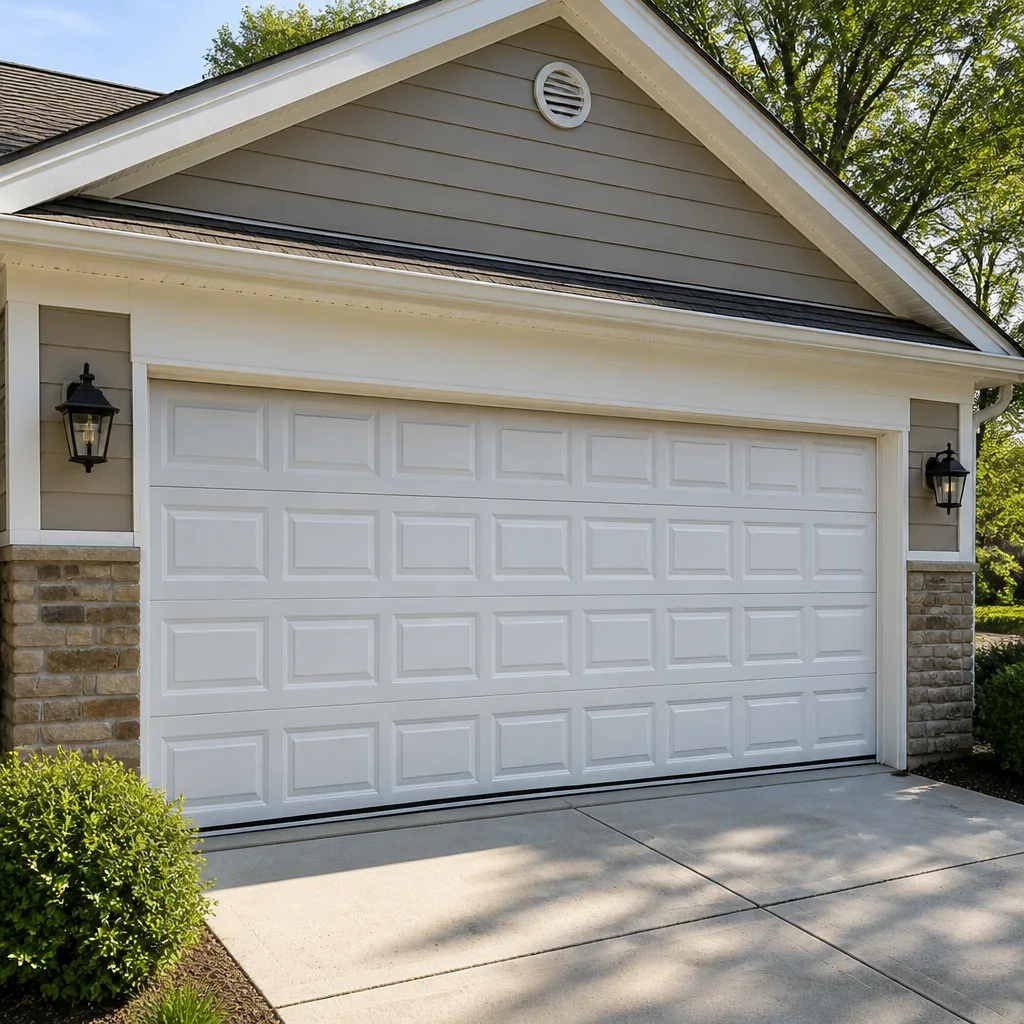 Raised-panel steel
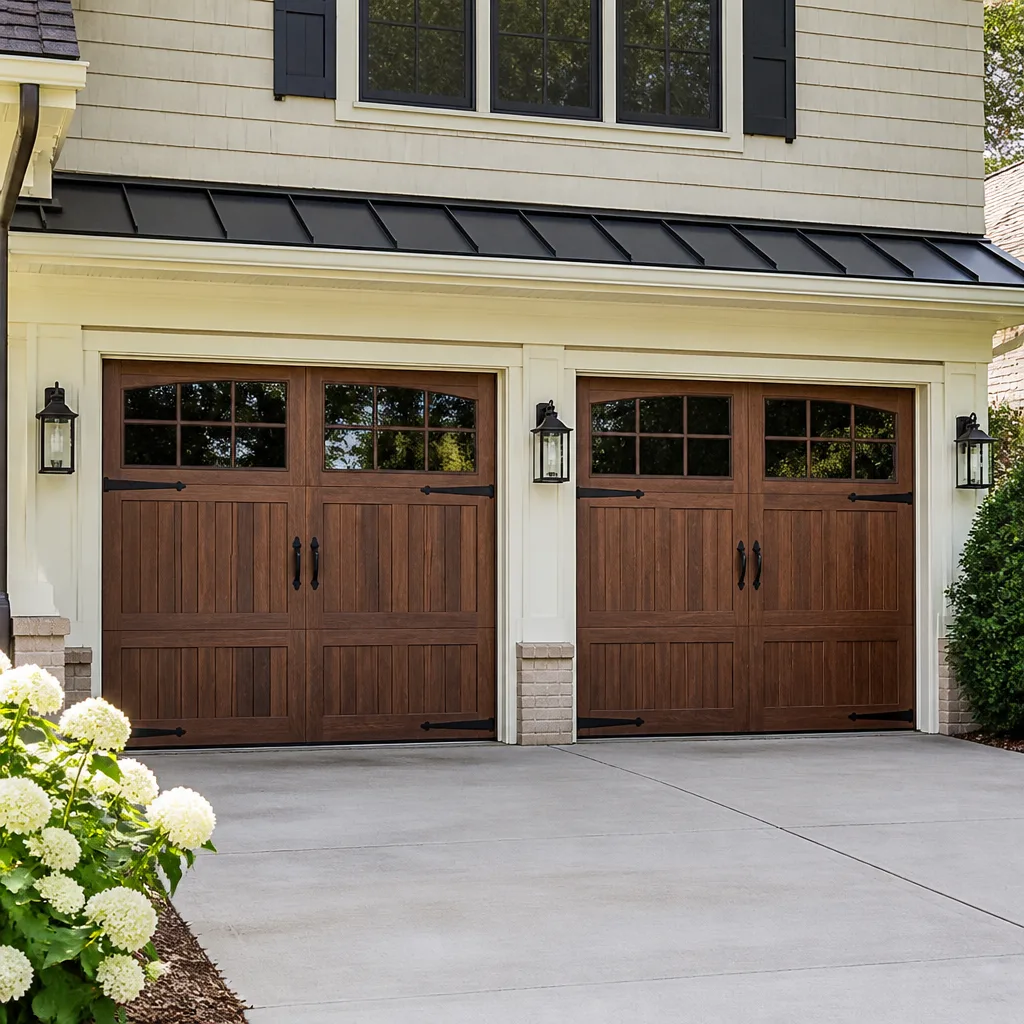 Carriage house
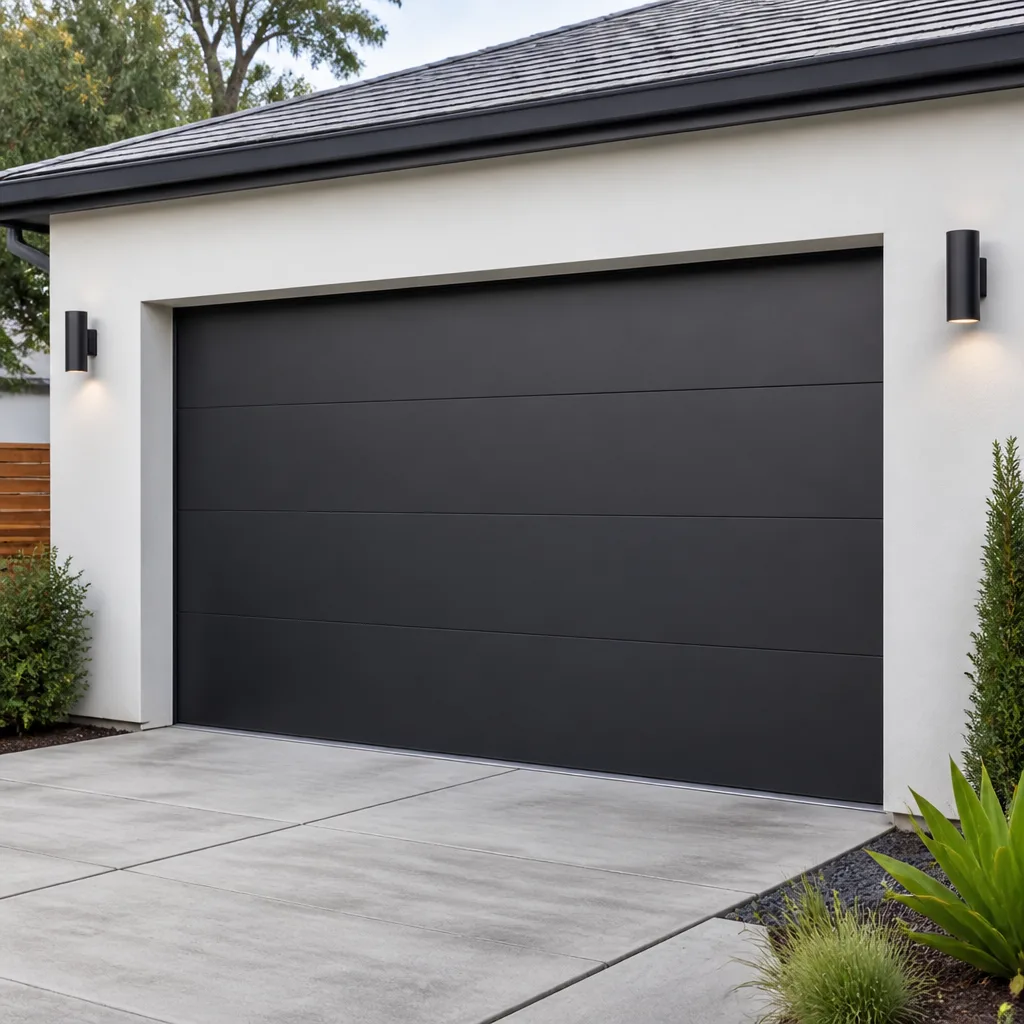 Modern flush
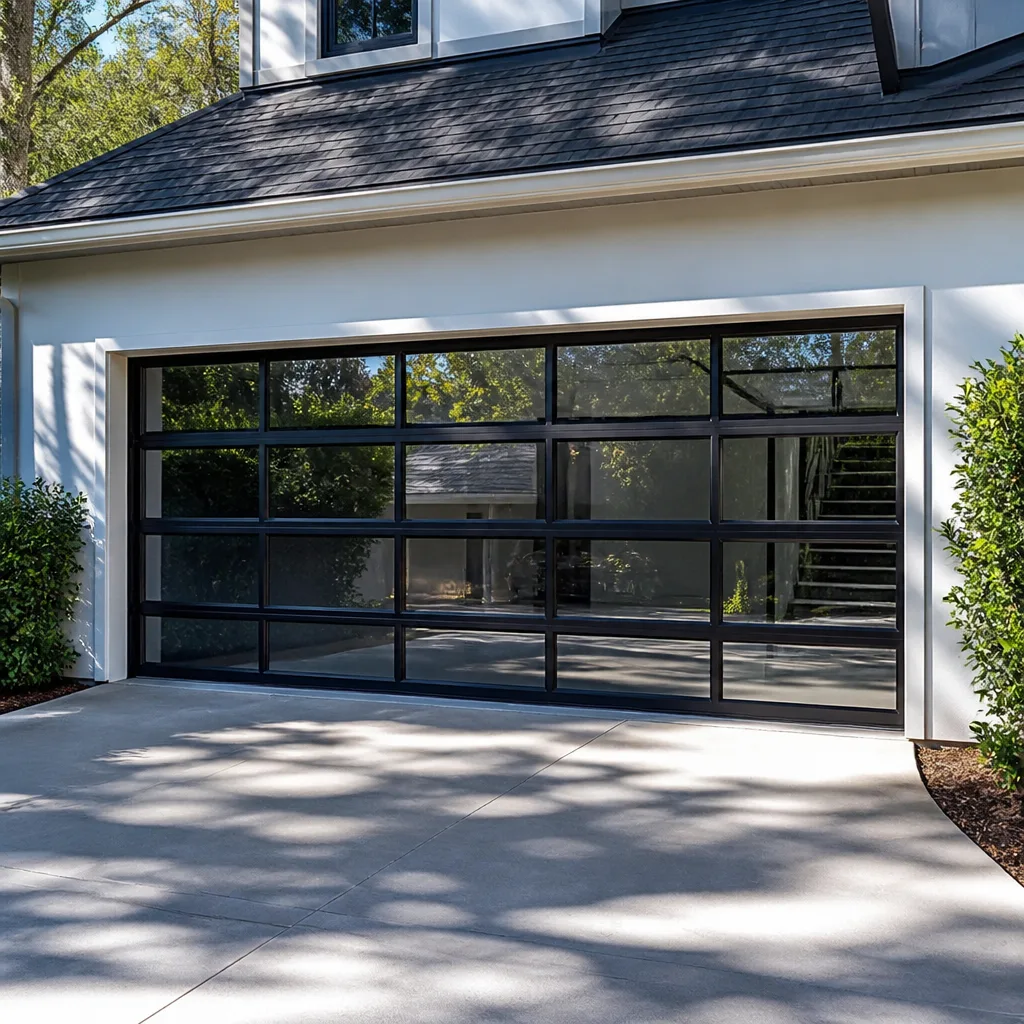 Full-view glass
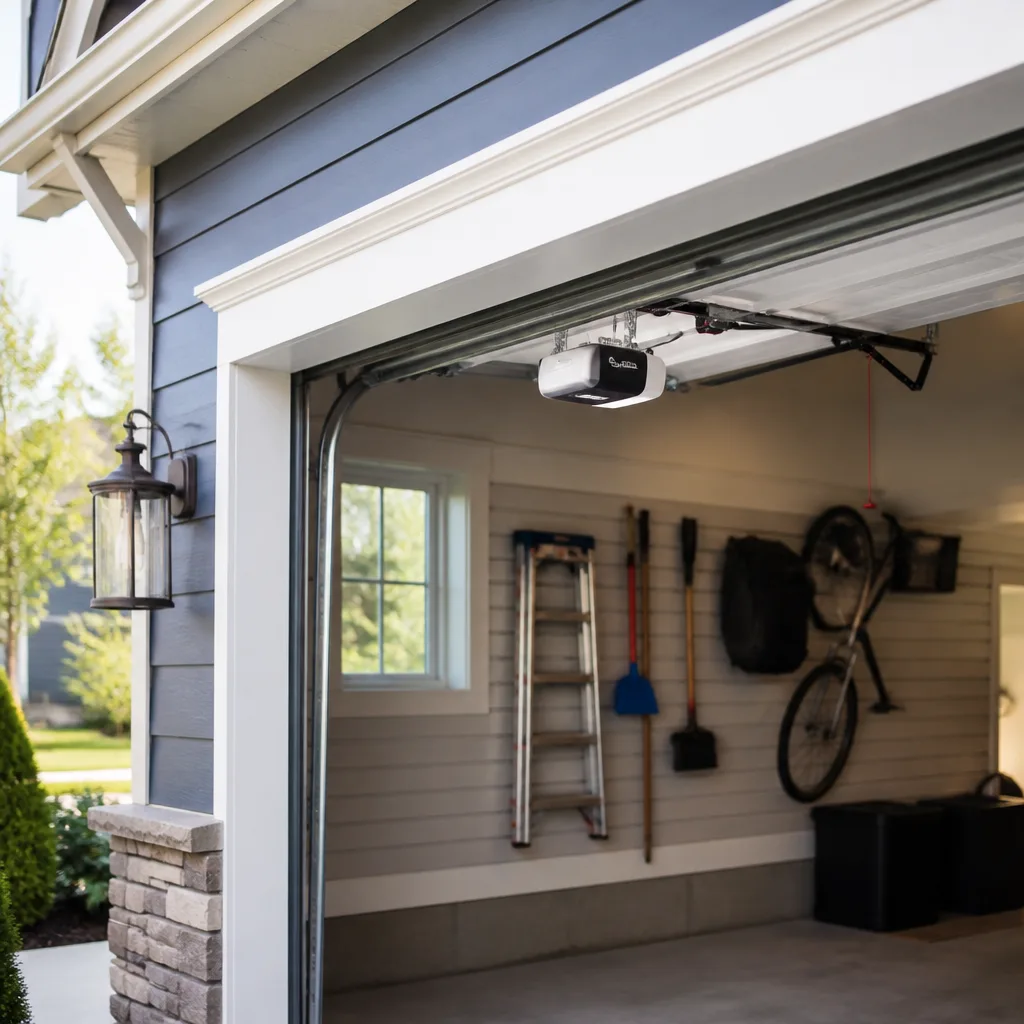 LiftMaster openers
 Chamberlain openers
Full 25-point door and opener safety check with every visit - springs, cables, rollers, tracks, and your LiftMaster or Chamberlain opener included
You get a price before we start. It does not change when the pro arrives.
Get your free estimateGarage Door Warning Signs: A Dorchester Homeowner’s Reference Guide
A grinding noise while your door opens and a grinding noise while it closes can mean two completely different things. One usually points to a worn torsion bearing; the other often means a stripped drive gear inside the opener. Treat them as the same problem and you can talk yourself into replacing both the door hardware and the opener when only one is failing. That is the single most common way Dorchester homeowners end up paying for work they don’t need.
This guide maps the sounds, behaviors, and visual cues you’re likely to notice to the specific component most often behind them. Read it before you call anyone, and you’ll be able to describe the problem in a way that gets a real repair on the first visit.
Quick Answer
Garage door warning signs fall into three groups: sounds (squealing, grinding, popping, rattling, banging), visible cues (uneven gaps, slack cables, cracks at the roller brackets), and opener behavior (delayed response, reversing without an obstruction, intermittent operation). Squealing and light rattling usually mean lubrication or loose hardware and can wait a short while; popping, banging, and any door that won’t stay level mean stop using it and call a technician. In Dorchester, the freeze-thaw swings through winter and the humidity of summer both speed up wear on springs, cables, and bearings, so signs that seem minor in July deserve a closer look by the time the cold sets in.
Styles & brands we work with
- Raised-panel steel
- Carriage house
- Modern flush
- Full-view glass
- LiftMaster openers
- Chamberlain openers
Table of Contents
- The Sound-to-Component Matrix
- Visual Warning Signs Most Homeowners Miss
- What Your Opener’s Behavior Is Telling You
- Monitor and Schedule vs. Stop Using the Door Now
- How to Photograph and Describe the Problem Before You Call
- Springs, Cables, and the Parts You Should Never Touch
- Seasonal Patterns in Dorchester
- Common Mistakes to Avoid
The Sound-to-Component Matrix
Sounds are the earliest warning a garage door gives you, and each one tends to concentrate around a specific part. Listen on both the way up and the way down, because the load on the door changes between the two directions and the same noise can appear in only one. Here is how we map the five sounds we hear most from Dorchester homeowners.
- Squealing or high-pitched whining: usually dry or worn rollers, a dry torsion shaft, or bearings that have lost their grease. This is the most forgiving sound on the list, and it’s the one that responds best to lubrication and hardware attention. Let it run for months and the squeal turns into a grind.
- Grinding during opening: most often a worn torsion bearing or a dry center bearing plate, where metal is running against metal. The sound is constant and low, and it usually gets louder as the door rises.
- Grinding during closing: often the opener’s drive gear or the trolley, where the gear teeth have worn or stripped. If the opener motor runs but the door barely moves or stalls, that points to the drive train rather than the door itself. LiftMaster and Chamberlain units in particular will often run the motor and stop the door when the drive gear is failing.
- Popping or a loud snap: a torsion spring that has cracked or broken, or a cable that has jumped its drum. Stop using the door. Popping is not a “keep an eye on it” sound.
- Rattling or banging: loose hinges, roller brackets, or track bolts shaking free, or a door panel that has begun to separate from its frame. Rattling is a schedule-it problem; banging with visible movement at the hinges is a stop-now problem.
Two of these, popping and banging, cross the line from maintenance into safety. We’ll come back to that in the monitor-versus-stop section below.
Visual Warning Signs Most Homeowners Miss
Sounds announce themselves. Visual cues don’t, which is why they often go unnoticed until a small problem becomes a full replacement. Close the door, step back, and look at it the way a technician does.
Gap asymmetry in the closed door
Stand inside your garage with the door fully closed and look across the bottom edge. The gap between the door and the floor should be roughly even all the way across. A gap that is wider on one side than the other means the door is out of level, and the usual suspects are a stretched cable on one side, an uneven spring, or a track that has moved. A one-sided gap also puts extra strain on the opener, which is working harder to lift a door that isn’t balanced.
Cable slack on one side
Look at the cables that run down each side of the door to the bottom corners. Both should be under tension, with the same amount of visible wrap on each drum. Slack on one side and tension on the other is a red flag. Cables are under extreme tension and are one of the most dangerous parts of the whole system, so this is a look-only check. Don’t tug them, don’t try to reseat them, and don’t try to tighten anything by hand.
Hairline cracks at the roller bracket welds
The roller brackets are the small metal tabs that hold the rollers to the door panel. Where each bracket is welded to the panel, look for a thin dark line or a small crack in the paint. That’s metal fatigue starting, and it’s the kind of thing that looks cosmetic right up until the bracket lets go. If you’re already noticing rattling, check these welds. In our experience, cracks here usually follow years of a door that was never balanced properly.
When any of these three shows up, it’s worth having Garage Door Repair Dorchester take a look before the problem grows.
What Your Opener’s Behavior Is Telling You
The opener is the part of the system with electronics, so its warning signs often show up as behavior rather than sound. Three patterns are worth knowing, because each tends to point at a different kind of fault.
- Delayed response: you press the button and the door sits there for a second or two before moving. This often points to a weak capacitor, a failing logic board, or a worn drive gear that needs a moment to engage. It’s rarely the remote. If a fresh battery doesn’t fix it, the opener itself is the place to look.
- Reversing without an obstruction: the door goes down a foot or two and then goes back up on its own. The safety sensors at the bottom corners are the first thing to check (dirt, a misaligned lens, or a spider web across the eye), but if the sensors are clean and aligned and the door still reverses, the issue is more likely in the logic board or the travel limits. Genie and Chamberlain openers both have specific behaviors here that a trained technician will recognize quickly.
- Intermittent operation: sometimes it works, sometimes it doesn’t. Intermittent faults are almost always electrical: a loose wire at the wall control, a failing logic board, or a safety sensor that is only sometimes blocked. The pattern matters, so note when it happens and whether it’s the remote, the wall button, or both.
Opener problems are the most common reason a Dorchester homeowner calls us thinking the whole door is failing when only the opener needs attention. A proper garage door opener repair is usually a much smaller job than the door itself, which is why it’s worth getting the diagnosis right before you replace anything.
Monitor and Schedule vs. Stop Using the Door Now
This is the decision that matters most, and it’s where vague advice like “call a professional if you’re worried” fails people. Here is how we sort warning signs into two lists.
Monitor and schedule
- Squealing or light rattling that appears only during part of the cycle
- A door that is a little noisier than it used to be but still opens and closes evenly
- A single delayed response from the opener that doesn’t repeat
- Cosmetic paint cracks on the door face that don’t run to a bracket
- A remote that needs a fresh battery
These can usually wait for a scheduled visit. The reason to schedule rather than ignore is that every one of them tends to get worse, and the cost of a small repair now is lower than the cost of the replacement it becomes later.
Stop using the door now
- Any popping, snapping, or loud bang from the springs
- A door that won’t stay level or hangs visibly on one side
- A cable that is slack, frayed, or off its drum
- A door that drops faster than it should or slams at the bottom
- An opener that runs but the door doesn’t move
- A door that reverses without an obstruction after you’ve confirmed the sensors are clean and aligned
The safety reason for each of these is the same in principle: a garage door is a heavy object held under tension by springs and cables, and that tension can release suddenly. A broken spring or a failed cable can send a door down hard. This is why we never recommend hand-adjusting a spring or a cable yourself, no matter how minor the symptom looks. Springs and cables are under high tension and are unforgiving of mistakes. Leave them to a trained technician with the right tools.
How to Photograph and Describe the Problem Before You Call
The quality of your description determines whether your first visit is a repair or just a diagnostic. A technician who arrives already knowing what to expect can often bring the right part and finish the job in one trip. Here’s a short checklist for gathering that information.
- Note the door’s brand and model. Check the door panels and the opener housing. If you see LiftMaster, Chamberlain, Genie, or Raynor on the opener and Clopay, Amarr, or Wayne Dalton on the door, write it down. It tells us which parts and patterns apply.
- Record a short video of a full open-and-close cycle. Film from inside the garage, from the side, so the door panel, tracks, and springs are all visible. Thirty seconds is plenty, and the sound alone is often enough to narrow the fault.
- Photograph the closed door from the inside, straight on. This shows the gap at the bottom and the balance of the door against the floor.
- Photograph each side cable and each roller bracket. Look for slack, fraying, and hairline cracks. Take the photos from a safe distance and don’t touch the cables.
- Note exactly when the symptom appears. Opening, closing, both, only when cold, only after several cycles in a row. Timing points at the component.
- Test the opener with both the remote and the wall button. If it fails on only one, the problem is likely in the control, not the opener.
- Write down the door’s age and the last time it was serviced. If you don’t know, say so. The technician can usually tell from the parts.
With this in hand, a call to (855) 500-4346 gets you a real conversation about what’s likely wrong. We answer 24/7, and fast dispatch from 7am to 7pm, Sunday through Friday. If your door fails on a Saturday, we’re closed that day, and a call to us is booked into the next opening.
Springs, Cables, and the Parts You Should Never Touch
Torsion and extension springs and the cables that run alongside them are the most mechanically dangerous parts of any garage door. That’s not a scare tactic. It’s the reason a spring repair is the one job many generalist handymen won’t take on, and the reason we handle it directly as a core capability rather than outsourcing it.
The warning signs we list above (popping, banging, slack cable, a door hanging on one side) all climb into the spring and cable territory. A homeowner should be able to identify these signs and should stop using the door when they appear. A homeowner should not try to correct any of them by hand. The winding bars and the tension-release procedure are specific tools for specific springs, and a mistake with either can cause serious injury.
What we can tell you is how the repair usually goes. A technician identifies which spring has failed, checks the other spring and both cables while the door is under controlled tension, and then replaces the failed parts with a matched set so the load is even. The price is quoted and agreed before any work starts, so you know the number before the tool comes out. That matters because a matched pair of springs usually gets replaced together, so the pair costs around twice a single spring. Our technicians have up to 12 years of experience with torsion and extension systems, and the eight major brands we work on cover most of what shows up in Dorchester garages.
Seasonal Patterns in Dorchester
Dorchester’s weather does more to garage doors than most homeowners expect. The cold months bring repeated freeze-thaw cycles, which work on metal springs, bearings, and hinges the way they work on pavement: constant expansion and contraction that quietly wears the moving parts. A door that squealed in July tends to grind by January, and a spring that has been holding for a long time can pick the coldest week to break, because metal gets more brittle as the temperature drops.
Summer brings humidity, which finds its way into the tracks and rollers and the moving parts of the opener. A door that runs smoothly in dry weather can start to bind and stick in the humid stretch, and the opener ends up working harder than it should. If your door starts reversing on its own or stalling in humid weather, the tracks are often the source. Check for grime and rust before assuming the opener is failing.
The practical takeaway for a Dorchester homeowner: give the door a quick look at the change of every season, especially in the fall before the cold and in the spring before the humidity. The signs you check for are the same ones in this guide, and a few minutes of looking and listening twice a year will catch most problems while they’re still small.
Common Mistakes to Avoid
- Calling the symptom by the wrong name. “It’s making a noise” tells a technician nothing. “It grinds while opening and only on the way up” tells us where to look. The difference is the difference between a one-visit repair and a return visit.
- Assuming the opener is the problem. A door that won’t open is often a door problem (spring, cable, track), not an opener problem. Replacing the opener first is the classic expensive mistake, especially in older Dorchester garages where the door has aged differently from the opener.
- Ignoring a one-sided gap. A closed door with an uneven bottom gap is out of balance, and running the opener anyway wears the drive train faster and can strain the spring. It’s a cheap fix if you catch it early and a bigger one if you don’t.
- Greasing the wrong parts. Rollers, hinges, and the torsion shaft benefit from the right lubrication. Springs, cables, and the opener’s drive gear are not places to spray. Many a door has been “fixed” with a can of the wrong lubricant in the wrong spot.
- Hand-checking a cable or spring. Slack cables and popping springs are look-only signs. A hand on a tensioned cable is how people get hurt. If you’re not sure, don’t touch it.
- Trying to reset the opener without knowing the model. LiftMaster, Chamberlain, Genie, and Raynor openers all have different reset and travel-limit procedures, and guessing can make the problem worse. If you’re going to try anything, find the model plate first.
- Waiting for spring to become a total failure. A door that “still works, sort of” is a door that’s putting maximum stress on the rest of the system. In our experience, the most expensive repairs we see are on doors where the owner waited through a season of warning signs.
See the difference
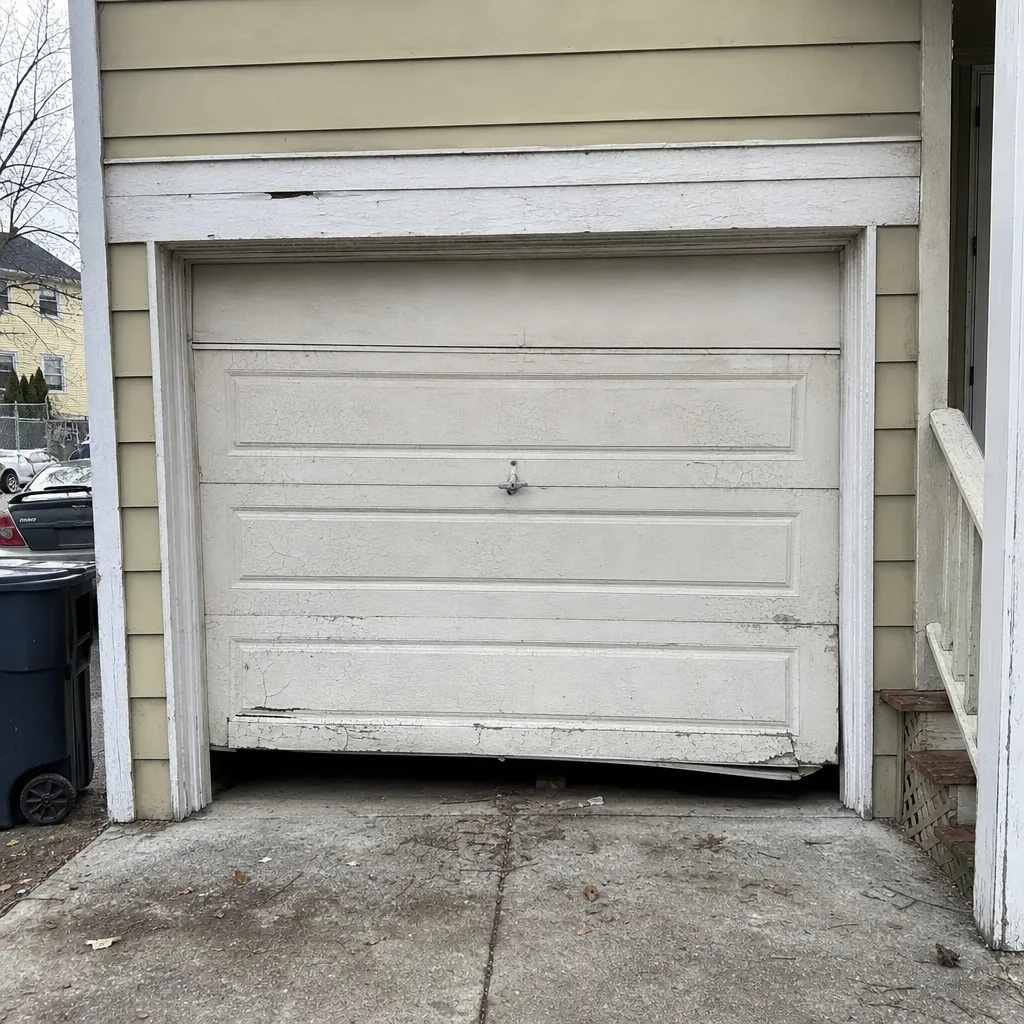 Before
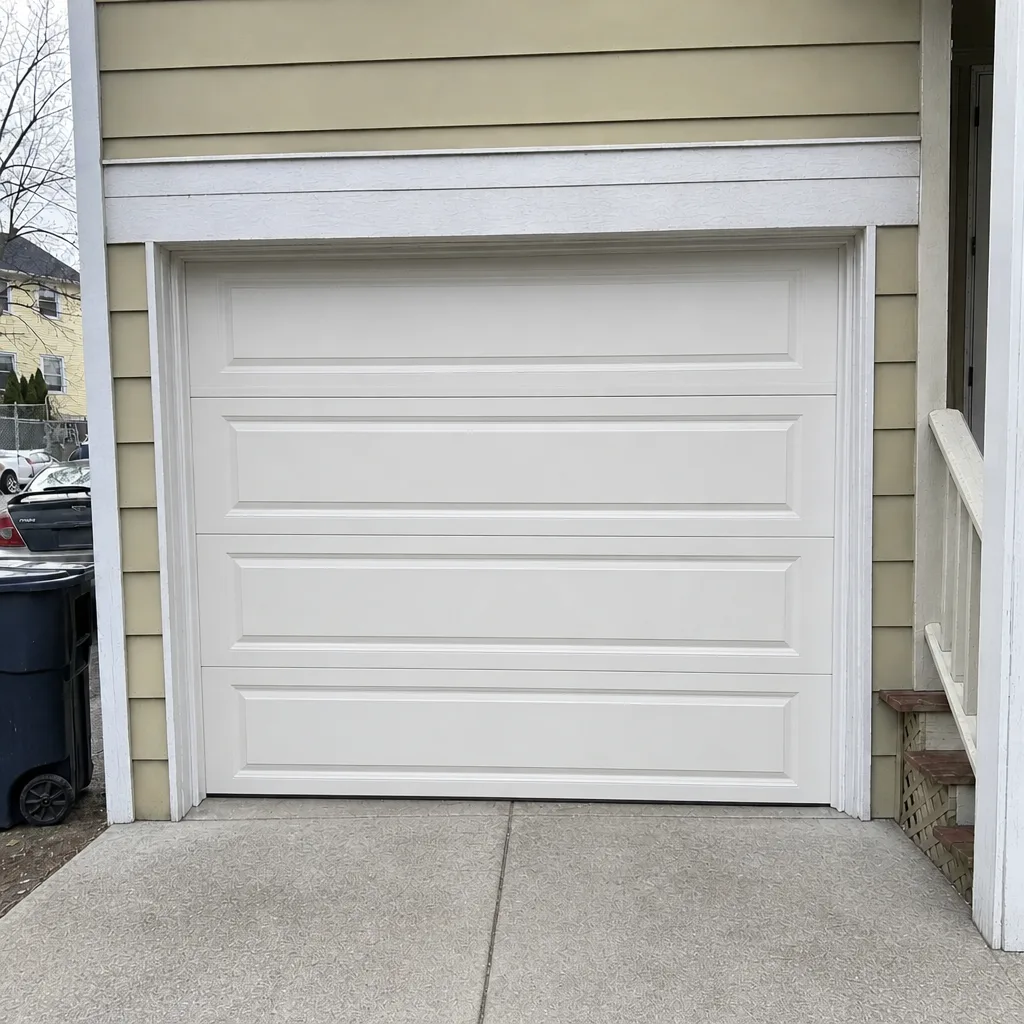 After
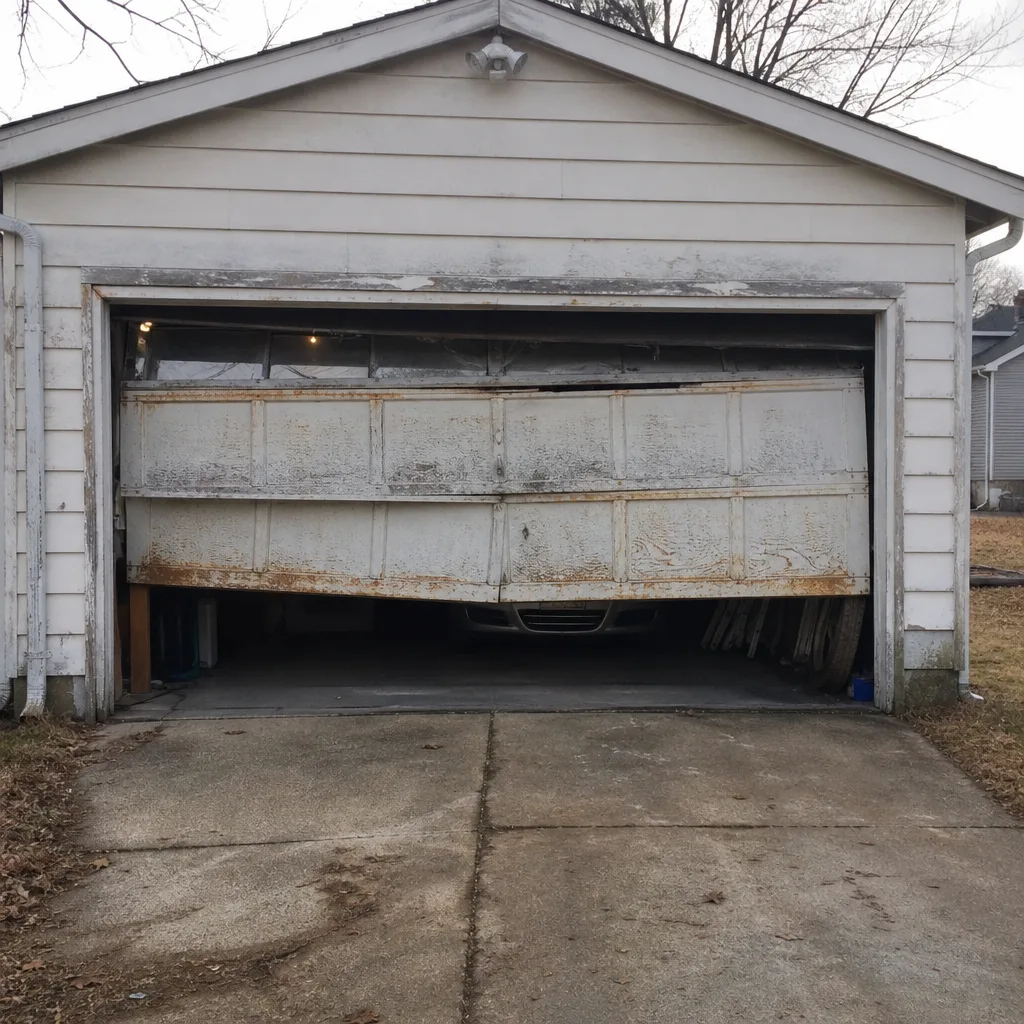 Before
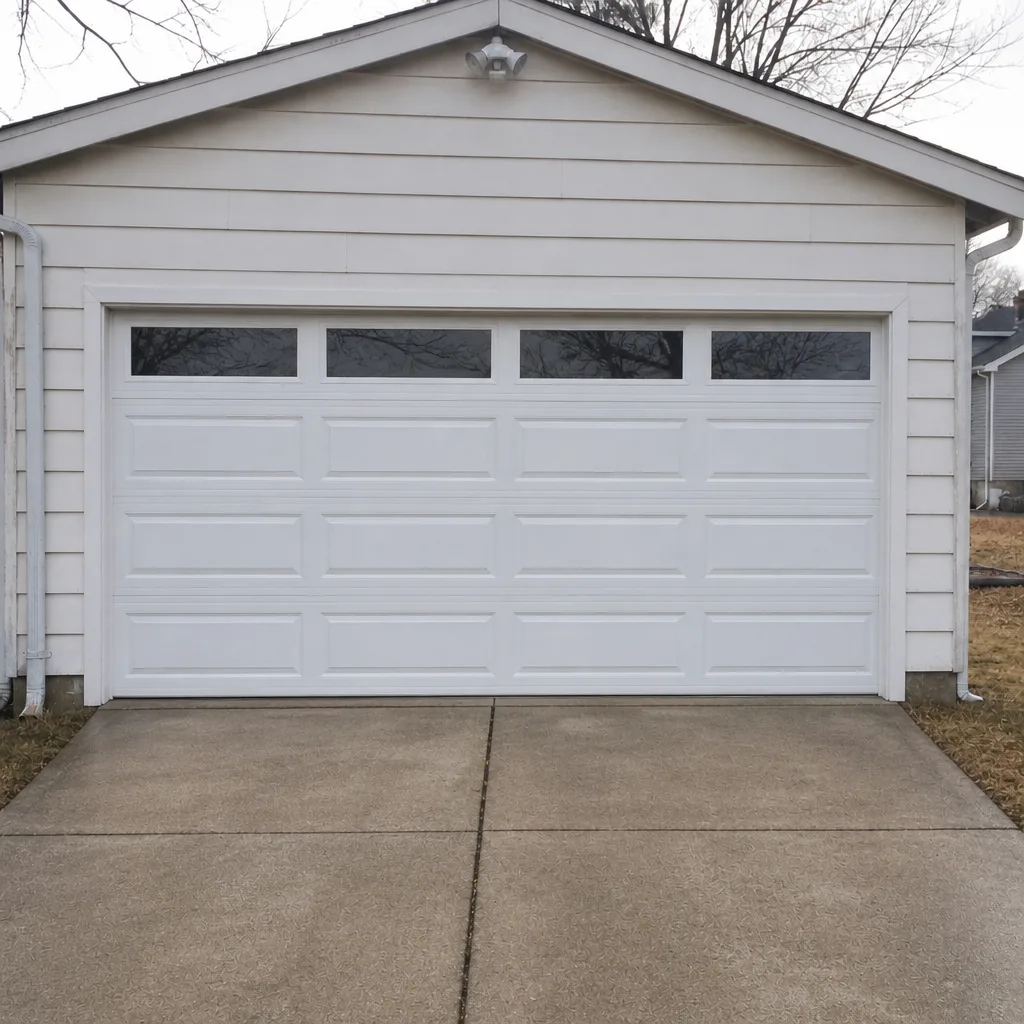 After
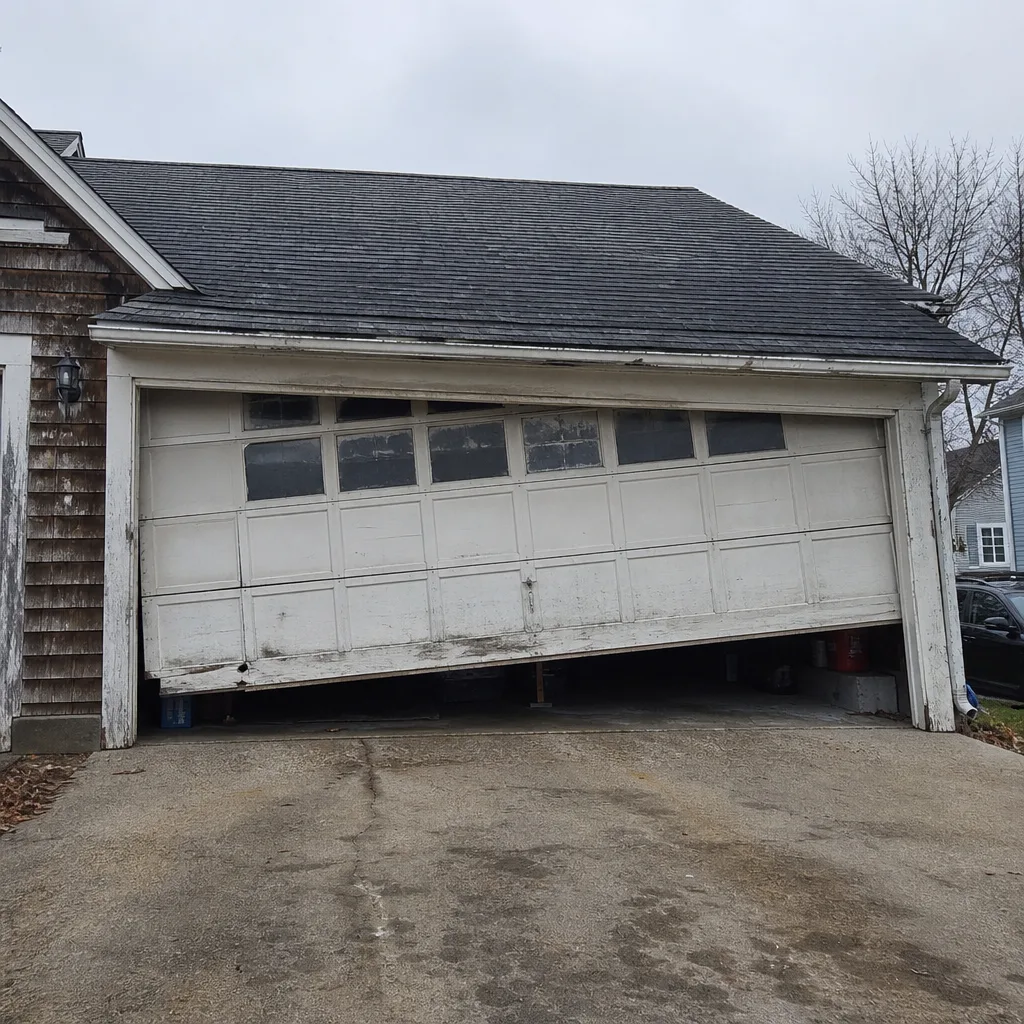 Before
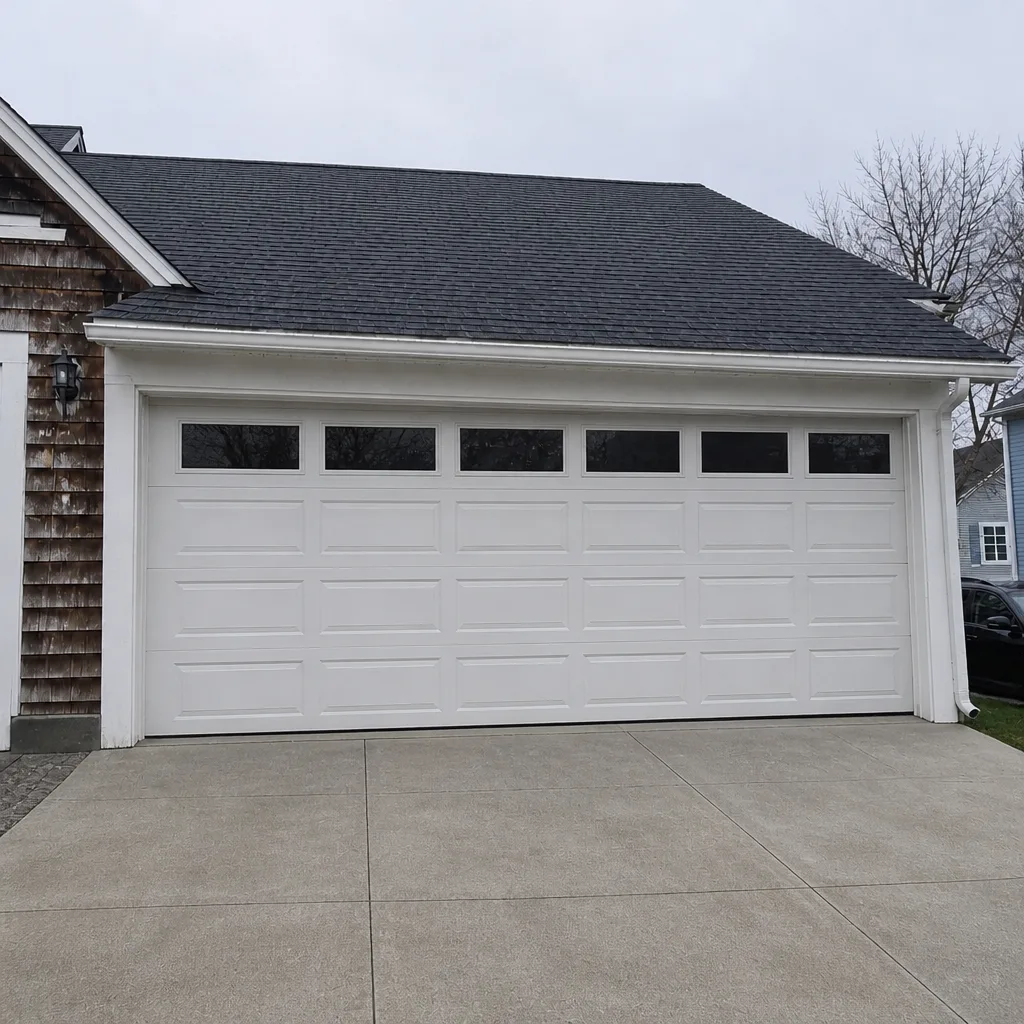 After
When to Call a Professional
Call a professional when any sign from the stop-using-the-door list shows up: popping or snapping springs, a slack or frayed cable, a door that won’t stay level, an opener that runs but the door doesn’t move, or a door that drops too fast. Call when the visual checks find cracks at the roller brackets or cable slack on one side. And call when a door problem has been “minor” for more than a season, because the trends here build.
You don’t need to call for an occasional squeal or a fresh remote battery. You do need to call before a small problem becomes a full garage door installation, which is a bigger and more scheduled project than a repair. Garage Door Repair Dorchester offers free estimates in Dorchester. Call (855) 500-4346. We answer 24/7. Fast dispatch from 7am to 7pm, Sunday through Friday. The price is quoted and agreed before any work starts, so there are no surprises once the technician is on site.
Frequently Asked Questions
The most common are a grinding or squealing noise during operation, a closed door with an uneven gap at the bottom, a delayed or inconsistent response from the opener, and visible wear or cracks at the roller brackets. The first two tend to point at the door’s hardware and the last two at the opener. Call (855) 500-4346 if you’re seeing more than one, since they often share a cause.
Grinding while opening most often means a worn torsion bearing, while grinding while closing usually means a stripped drive gear inside the opener. That single difference decides whether the door hardware or the opener needs attention. Get the direction right before you call, and the diagnosis is faster. Call (855) 500-4346 for an exact quote.
Yes. A popping or snapping sound is the classic sign of a broken or cracked spring, and continuing to run the door can cause further damage or injury. Stop using the door and call a technician. Call (855) 500-4346. Estimates are free, and we answer 24/7.
Reversing without an obstruction is usually a safety-sensor issue first, and a logic-board or travel-limit issue second. Clean the sensor lenses and check that they’re aimed at each other. If the door still reverses, the problem is inside the opener. Call (855) 500-4346 and we’ll book a visit, Sunday through Friday, 7am to 7pm.
Often yes, a single part like a roller, hinge, or sensor is all that’s needed, which is why we supply parts as a standalone service. If you know exactly what you need, we can supply it without a full repair call. If you’re not sure, a diagnostic is cheaper than guessing wrong. Call (855) 500-4346 to sort out which one you need.
No. The written estimate is the price, and it’s quoted and agreed before any work starts. If a technician finds something additional, that becomes a separate estimate you approve before it’s done. Call (855) 500-4346 for a free estimate. Estimates are free.
The Bottom Line
Every garage door warning sign points at a specific component, and getting the sound, direction, and behavior right is what keeps a small repair from becoming a full replacement. Squealing and light rattling can usually wait for a scheduled visit; popping, banging, slack cables, and a door that won’t stay level mean stop using it now. Watch the closed-door gap, check the roller bracket welds and the side cables by eye, and note the opener’s behavior separately from the door’s. Photograph and describe the problem accurately, and you save time and money on the first visit. In Dorchester, the freeze-thaw cycle and the summer humidity both accelerate wear, so a seasonal look twice a year catches most problems while they’re still small. Our technicians have up to 12 years of experience, and we work on LiftMaster, Chamberlain, Genie, Clopay, Amarr, Wayne Dalton, Craftsman, and Raynor. When a sign lands on the stop-now list, call (855) 500-4346. We answer 24/7. Fast dispatch from 7am to 7pm, Sunday through Friday.
Written by the team at Garage Door Repair Dorchester.