
Last updated November 20, 2026
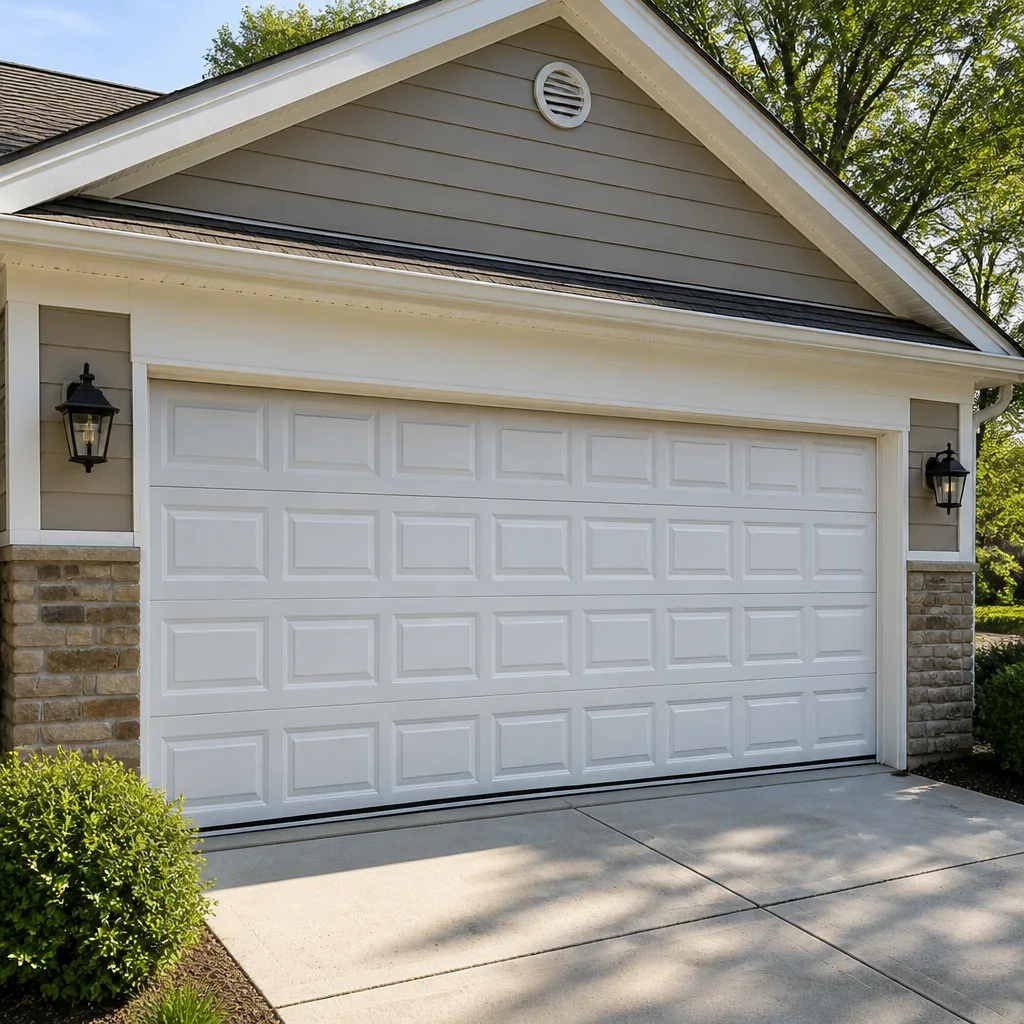 Raised-panel steel
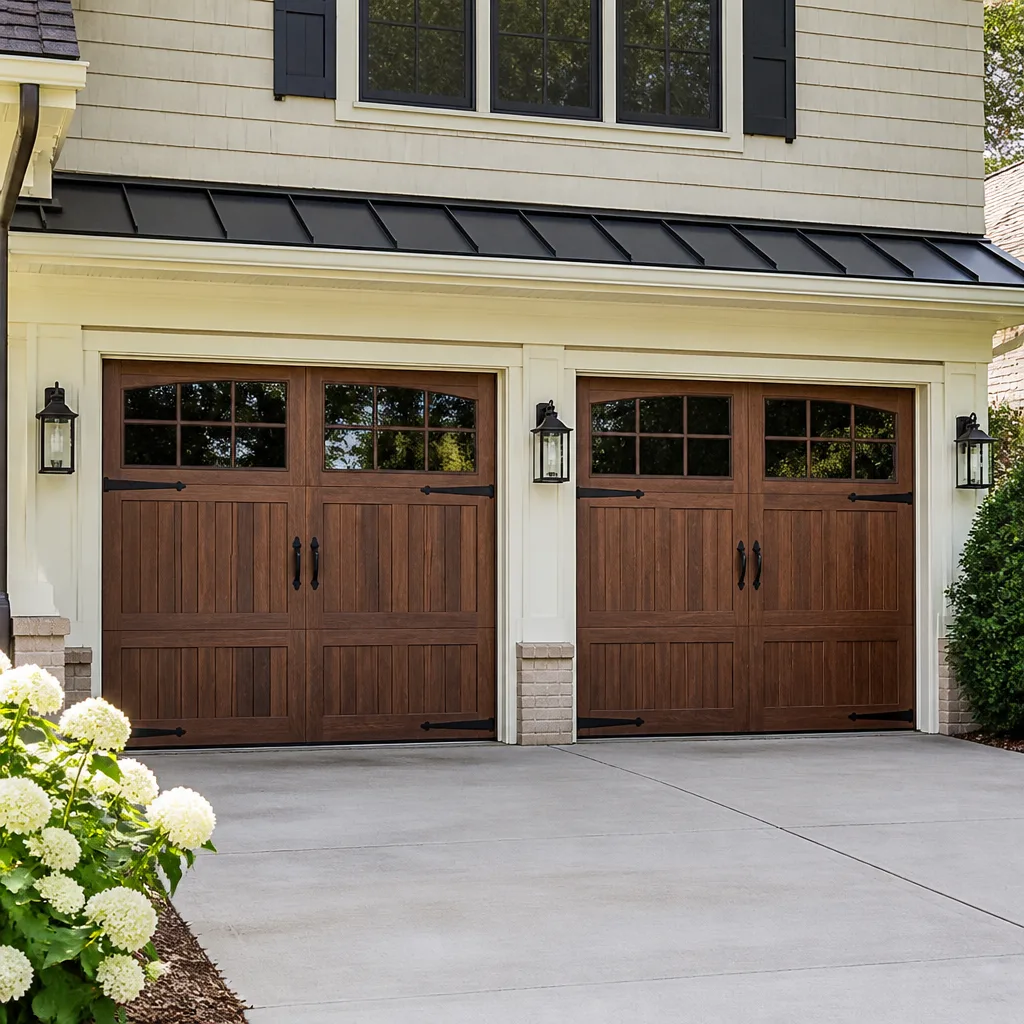 Carriage house
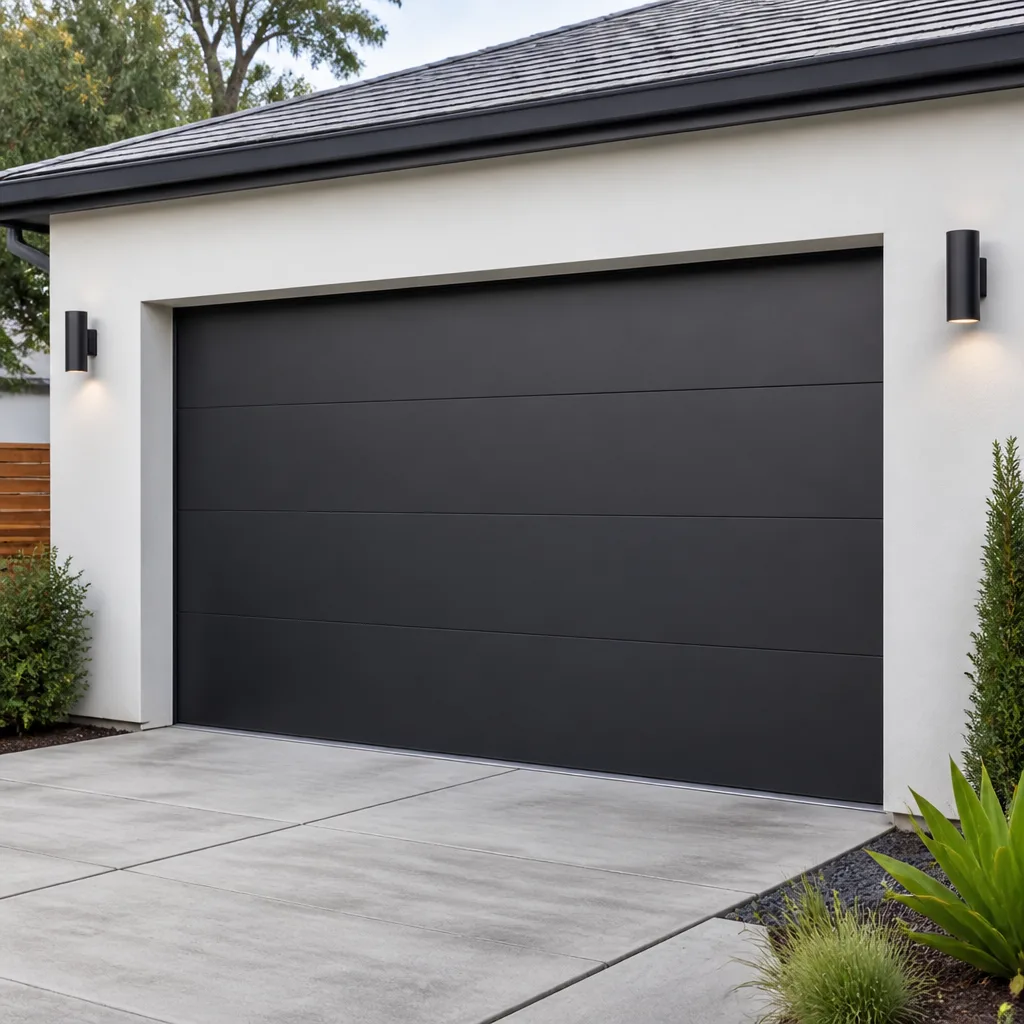 Modern flush
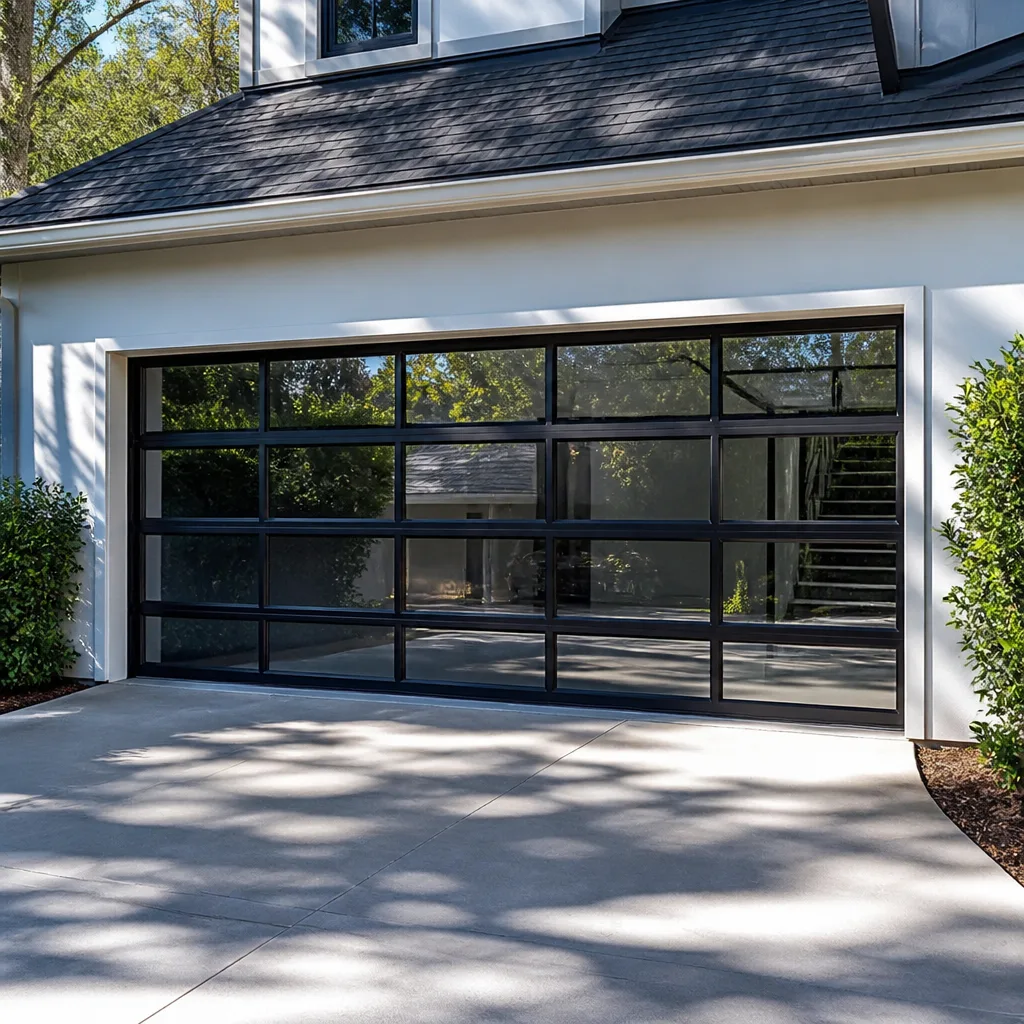 Full-view glass
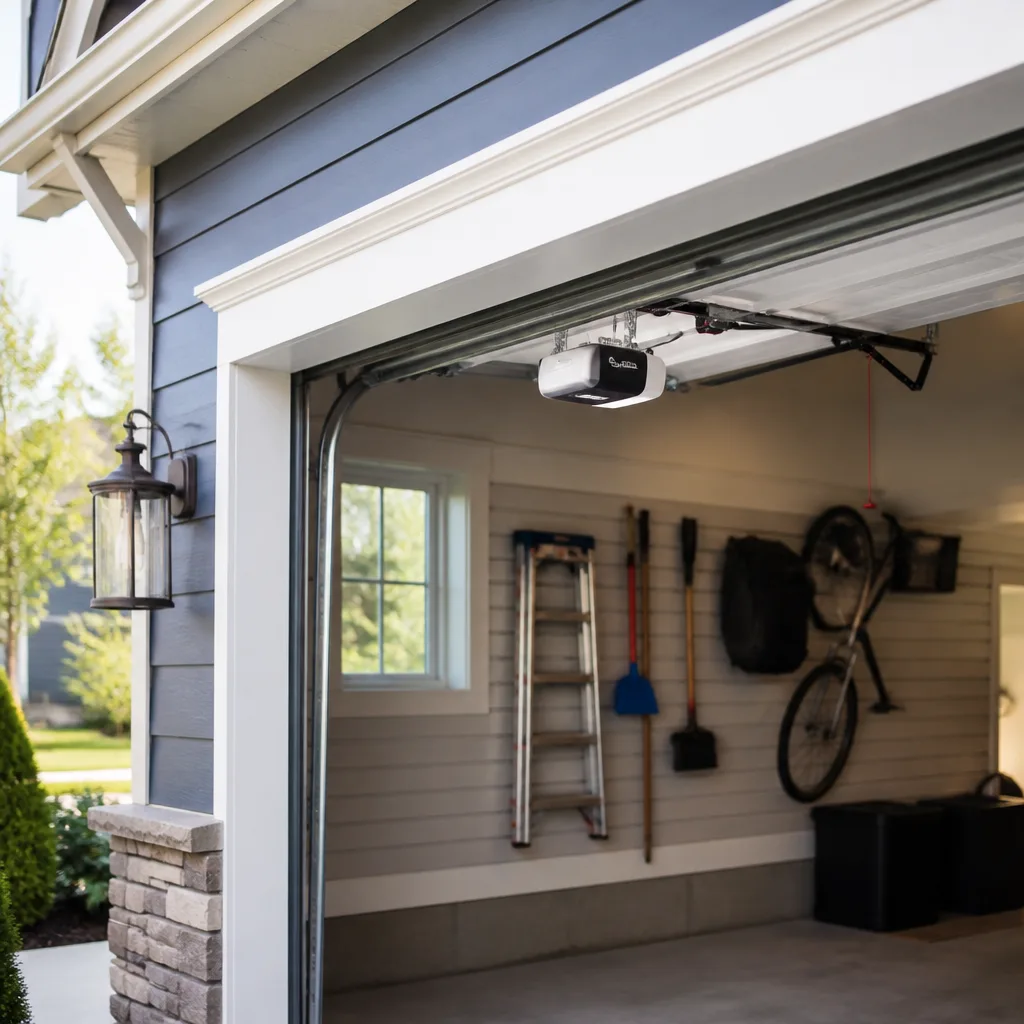 LiftMaster openers
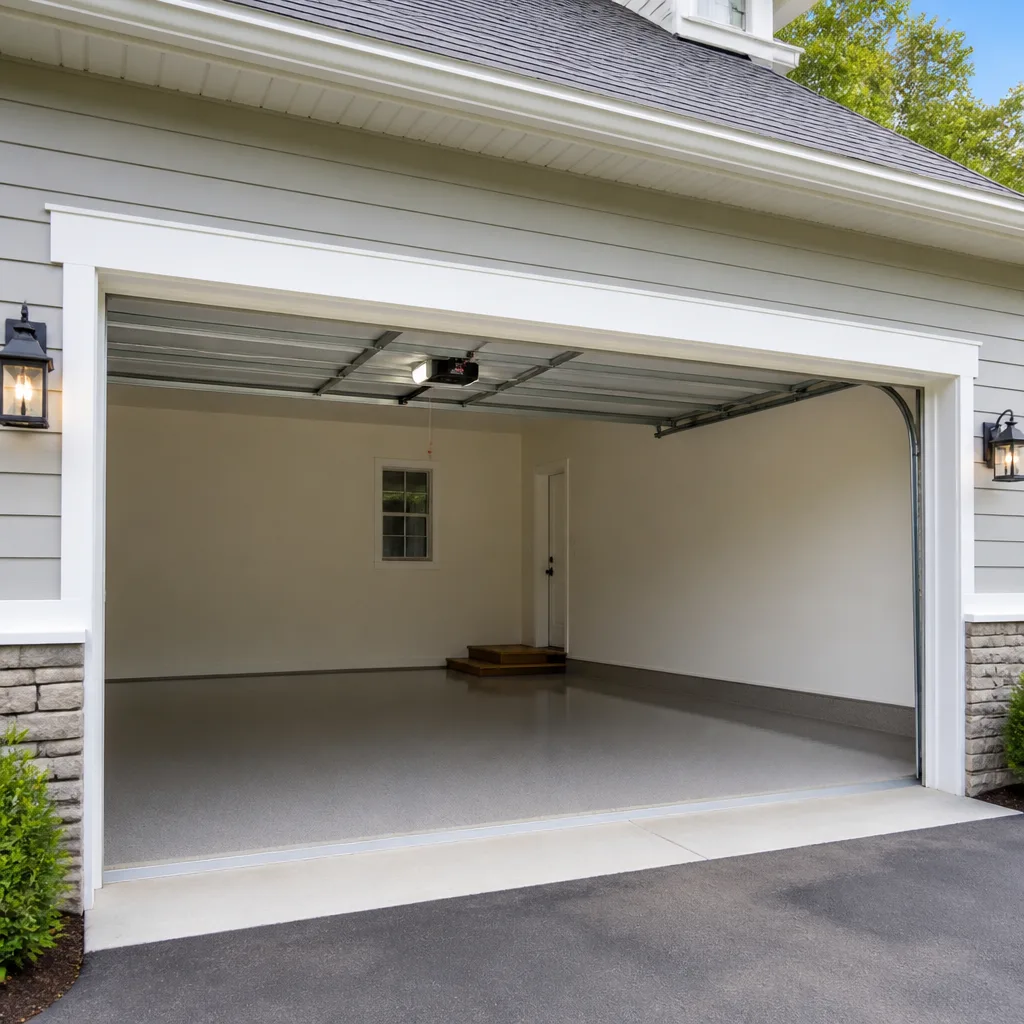 Chamberlain openers
Full 25-point door and opener safety check with every visit - springs, cables, rollers, tracks, and your LiftMaster or Chamberlain opener included
You get a price before we start. It does not change when the pro arrives.
Get your free estimateThe Complete Guide to Garage Doors in Dorchester
Most garage door guides assume you’re working with a suburban two-car garage and a clean, standard opening. That’s not the reality in Dorchester, where much of the housing stock went up long before anyone was thinking about standardized door dimensions. Triple-deckers, converted Victorians, and tight side lots mean the average garage here calls for measurements that don’t match a big-box catalog. We’ve pulled up to plenty of Dorchester addresses where the opening was never going to fit an off-the-shelf door. This guide walks through what actually matters: how to measure before you buy, which materials survive a New England winter, why your old wiring may not play nicely with a new opener, when the city wants a permit, and which brands have real local parts support. Read it before you call anyone, including us.
Quick Answer
Garage doors in Dorchester need to be sized to your actual rough opening, not a catalog standard, and that means measuring width, height, and headroom before choosing a style. Materials like steel and insulated composite handle Boston’s freeze-thaw cycles and summer humidity best, while lighter wood and thin vinyl tend to fail faster. Opener replacement often isn’t a simple swap because older Dorchester homes frequently have wiring that needs attention first. This guide covers all of it, from measurement to permits to brand availability.
Styles & brands we work with
- Raised-panel steel
- Carriage house
- Modern flush
- Full-view glass
- LiftMaster openers
- Chamberlain openers
Table of Contents
- How Dorchester’s housing stock affects door sizing
- What to measure before you call anyone
- Which materials hold up in Boston’s climate
- Opener compatibility and older wiring
- Permit triggers when replacing versus repairing
- Brand availability and local parts support
- Repair or replace: how to decide
- Safety: springs, cables, and what not to touch
How Dorchester’s Housing Stock Affects Door Sizing
The single biggest reason a garage door project goes sideways in Dorchester is a size mismatch nobody caught early. A huge share of the residential garages here were built before 1960, and a large number of them have rough opening dimensions that don’t line up with the standard widths and heights most doors ship in. When the opening is off, half the market is eliminated before you’ve picked a color, a material, or a window pattern.
Why does this happen? A few reasons show up again and again in Dorchester:
- Carriage and single-bay garages built for older, narrower cars that used door widths no longer standard.
- Converted structures where a former carriage house or shed was refitted, leaving an opening that was never engineered to a modern spec.
- Narrow side lots where the door sits tight to a wall, limiting how much the frame can be adjusted.
- Settled or out-of-square frames common in older construction, where the opening measures differently at the top than the bottom.
- Low headroom that changes which door and track configuration will even fit.
None of this means you’re stuck. It means the width, height, and headroom have to be confirmed on-site before anyone orders a door. A door that’s an inch too wide or a track that can’t clear the ceiling is a costly return. If you’re planning a replacement, this is exactly the kind of thing a proper measure catches, and it’s why we always confirm dimensions before quoting a garage door installation.
The takeaway is simple: in Dorchester, custom or semi-custom sizing is common, not exotic. Expect it, measure for it, and budget for it.
What to Measure Before You Call Anyone
You don’t need to diagnose your door, but you should know its numbers. Getting these measurements first means a faster, more accurate conversation with any contractor and fewer surprises. Here’s the order we recommend:
- Measure the width at the widest point of the opening, inside the frame. Take it at the top and the bottom, and note if they differ.
- Measure the height from the floor to the top of the opening, again at both sides.
- Measure the headroom from the top of the opening to the ceiling, since this decides whether a standard torsion setup fits or a low-headroom configuration is needed.
- Measure the backroom, the distance from the door to the back wall, which affects the track and how far the door travels when it opens.
- Note the side clearance on each side of the door, because the track and springs live there and tight side lots in Dorchester can squeeze this.
- Photograph the opening, the frame, and the ceiling so you can show the full picture.
Write the numbers down and keep them handy. If your measurements show an out-of-square frame or an oddly low ceiling, say so up front. That single detail can change which door and opener combination makes sense, and it saves everyone a wasted trip.
A note on out-of-square frames
Old frames settle. A door can be perfectly square and still bind if the opening isn’t. When width at the top is meaningfully different from width at the bottom, the frame may need attention before a new door goes in. Worth flagging early.
Which Materials Hold Up in Boston’s Climate
Boston’s weather is hard on garage doors. Winters bring repeated freeze-thaw cycles, summers are humid, and the swings between the two stress every joint and seal. The material you pick decides whether your door still looks and works right five years from now or starts failing. Here’s how the common options actually stack up.
- Insulated steel – the workhorse for this climate. It resists moisture, holds its shape through temperature swings, and the insulation helps with a garage that shares a wall with living space. Clopay and Amarr both make steel doors that suit Dorchester homes well.
- Wood and wood-composite – beautiful and period-appropriate for converted Victorians, but they need real maintenance. Without regular sealing, moisture and freeze-thaw get into the grain and the finish breaks down. If you go wood, commit to upkeep.
- Aluminum – light and rust-resistant, good for some applications, but it dents easily and offers little insulation. Better for a detached, unheated garage than one attached to the house.
- Thin vinyl or uninsulated single-skin doors – the ones most likely to fail within a few winters. They flex, they don’t insulate, and they show every temperature swing.
For most Dorchester garages, insulated steel is the practical default. It handles the humidity and the cold without demanding a maintenance schedule, and it’s available in styles that fit older homes. If the garage is attached or below living space, insulation matters even more, since it affects comfort in the rooms above.
Climate also dictates the hardware. Springs, cables, and rollers take a beating when temperatures swing, which is part of why spring failures are so common here. If you’re hearing a bang or your door won’t lift, that’s a repair topic, not a material one, and it’s covered below and in our garage door repair guide.
Opener Compatibility and Older Wiring
Replacing an opener sounds like a one-for-one swap. In a lot of Dorchester homes, it isn’t. Older wiring, undersized circuits, and legacy opener systems mean the new unit sometimes needs more than a direct replacement, and knowing that before you buy saves a headache.
Here’s what typically comes up:
- Aging wiring that may not meet the power and safety requirements a modern opener expects.
- Unsafe or missing safety-reverse sensors, which current openers rely on and older installs may lack.
- Legacy opener brands where parts are discontinued, pushing you toward a full replacement rather than a repair.
- Smart-home integration, where the new opener needs a reliable connection and the right power setup to work as intended.
The good news is that the leading residential brands, including LiftMaster, Chamberlain, and Genie, cover both legacy systems and current smart-integrated units. Knowing which category your existing opener falls into is the first step. If yours is a discontinued model, repair may not be worth it, and a clean replacement makes more sense.
A quick rule of thumb:
- Identify the opener brand and model.
- Check whether the existing wiring and outlet are sound.
- Confirm the safety sensors are present and working.
- Decide between repair and replacement based on parts availability.
Because one call covers both the door and the opener, the diagnosis happens together. If the opener is the issue, our garage door opener repair service handles everything from a faulty motor to a sensor that keeps tripping. And if you need the part rather than the full repair, we supply that too.
Permit Triggers When Replacing Versus Repairing
Repairing a door and replacing one aren’t the same task from the city’s point of view. A repair, like swapping a spring or a roller, generally doesn’t trigger a permit. A full replacement, changing the door’s size, or altering the opening structure often does. The exact rules and any zoning considerations for your address rest with the City of Boston, so the reliable move is to ask the city’s building department directly before the project starts.
Here’s a simple framework for thinking about it:
- Like-for-like repair (springs, cables, rollers, openers) – typically no permit, confirm with the department.
- Replacing a door with the same size and specs – often permitted, sometimes exempt; verify before ordering.
- Changing the opening size or structure – usually requires a permit and possibly more.
- Any structural or electrical changes – expect a permit and plan for inspection timing.
We won’t hand you a fixed rule for your address, because the city’s requirements and any zoning specifics belong to them. What we will do is tell you, honestly, whether a job looks like it needs a permit and point you to the department to confirm. Getting this right up front keeps a straightforward project from stalling. For a repair-only job, don’t overcomplicate it: most fixes don’t touch the permitting question at all.
Brand Availability and Local Parts Support
A national brand name on a showroom floor doesn’t guarantee you’ll find the part you need when something fails. Parts availability and local service support vary by region, and in Greater Boston that gap matters. A door or opener from a brand with no reliable local supply chain means longer waits and higher odds of a full replacement when a five-dollar component would have done the job.
The brands with solid footing around here are the ones we work on directly: LiftMaster, Chamberlain, Genie, Clopay, Amarr, Wayne Dalton, Craftsman, and Raynor. That matters for two reasons. First, these brands span both the door and the opener, so a single call covers the whole system. Second, parts support is realistic, which means a repair stays a repair instead of turning into a replacement because the component can’t be sourced.
When you’re evaluating a door or opener, ask these questions:
- Is this brand’s part network reliable in the Boston area?
- Can a local technician get the specific part, or will it be a special order?
- Is the model current, or discontinued?
- Does the manufacturer support service documentation for the unit?
We work on your brand, and we’ve got the working knowledge across all eight to diagnose accurately the first time. That’s the difference between a generalist guessing and a specialist who’s seen the failure before. If you’re trying to source a specific part, need the part, not the full repair, we supply that too, and our main Garage Door Repair Dorchester page covers the full range of work.
Repair or Replace: How to Decide
A door that’s noisy, slow, or sticking doesn’t always need replacing. Plenty of doors in fine structural shape just need new hardware, new springs, or an opener fix. The decision comes down to condition, cost, and how much life is left in the system.
Lean toward repair when:
- The door panels are structurally sound with no rot, cracks, or major dents.
- The issue is a single component: a spring, a cable, a roller, a sensor, or the opener.
- The door still runs on its tracks without binding.
- The brand is current enough that parts are available.
Lean toward replacement when:
- The door panels are failing, rotting, or cracked beyond repair.
- Multiple systems are failing at once and the cost of repair climbs toward replacement.
- The door is an outdated model with discontinued parts.
- You need a different size or insulation level that the current door can’t provide.
In Dorchester, the tie-breaker is often the door’s age and the sizing issue. If your opening already needs custom sizing and the door is old, a carefully specified replacement can end the cycle of repeated repairs. If the structure is solid, fix what’s broken and keep going. The written estimate should make the comparison obvious so you can decide with numbers rather than guesswork. And remember, whether it’s a repair or a garage door repair, the price is quoted and agreed before any work starts.
Safety: Springs, Cables, and What Not to Touch
Torsion springs and the cables that hold them under tension are the most dangerous part of a garage door, and they deserve a straight warning. These components are under extreme tension. A spring or cable that lets go while someone is working on it can cause serious injury. This is exactly the kind of work that many generalists decline or outsource, and it’s why we handle torsion and extension spring work as a core capability.
What you can safely check:
- Whether the door feels heavier than it should when you lift it by hand.
- Whether it stays where you leave it, or drifts back down.
- Whether you hear a bang from the garage when the door isn’t in use.
- Whether the door is balanced, lifting evenly on both sides.
- Whether the safety sensors are unobstructed and the opener reverses on contact.
What you should never do yourself: adjust, remove, or replace a torsion spring or cable. Don’t try to straighten a bent track with force, either. If something in these categories is wrong, stop and call a trained professional. The rest of the hardware, rollers, and openers are less dangerous but still worth treating with care. Spring repair is where specialist judgment counts most, and it’s a service we do directly, correctly, and safely.
Common Mistakes to Avoid
- Ordering a standard-size door before measuring. In Dorchester, that’s the fastest way to buy a door that doesn’t fit. Measure the rough opening first, every time.
- Assuming a new opener is a one-for-one swap. Older wiring and missing safety sensors catch people out. Confirm your power and sensor setup before buying.
- Choosing a material for looks alone. Thin vinyl and unsealed wood struggle in Boston’s freeze-thaw climate. Pick for durability first, appearance second.
- Skipping the permit question. Repair is usually fine, but a replacement or a size change may need one. Ask the City of Boston building department before you start.
- Buying a brand with no local parts network. A nationally advertised name with no local supply chain turns a small fix into a full replacement.
- Attempting spring or cable work yourself. These are under extreme tension and can cause serious injury. Leave them to a trained professional.
- Ignoring a door that’s getting harder to lift. A heavy or unbalanced door signals a failing spring or cable. Address it before it fails completely.
See the difference
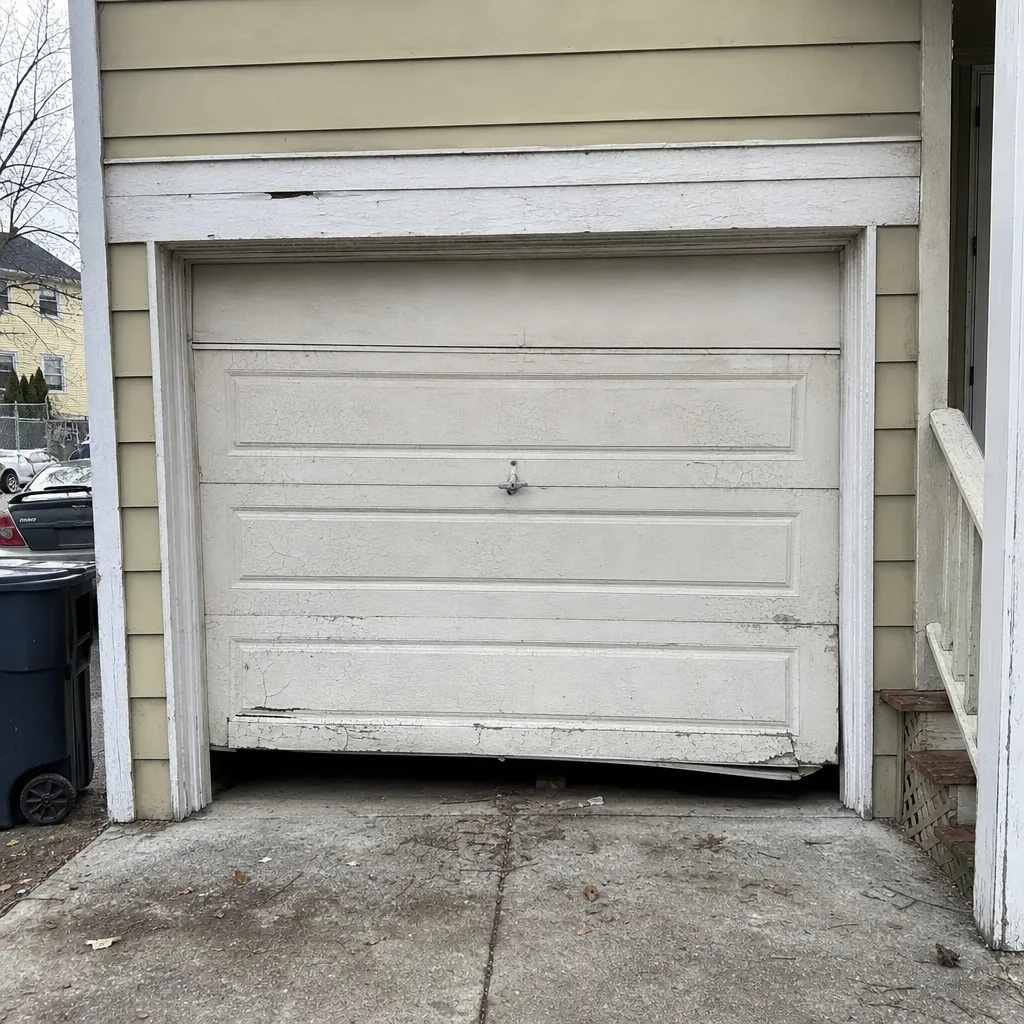 Before
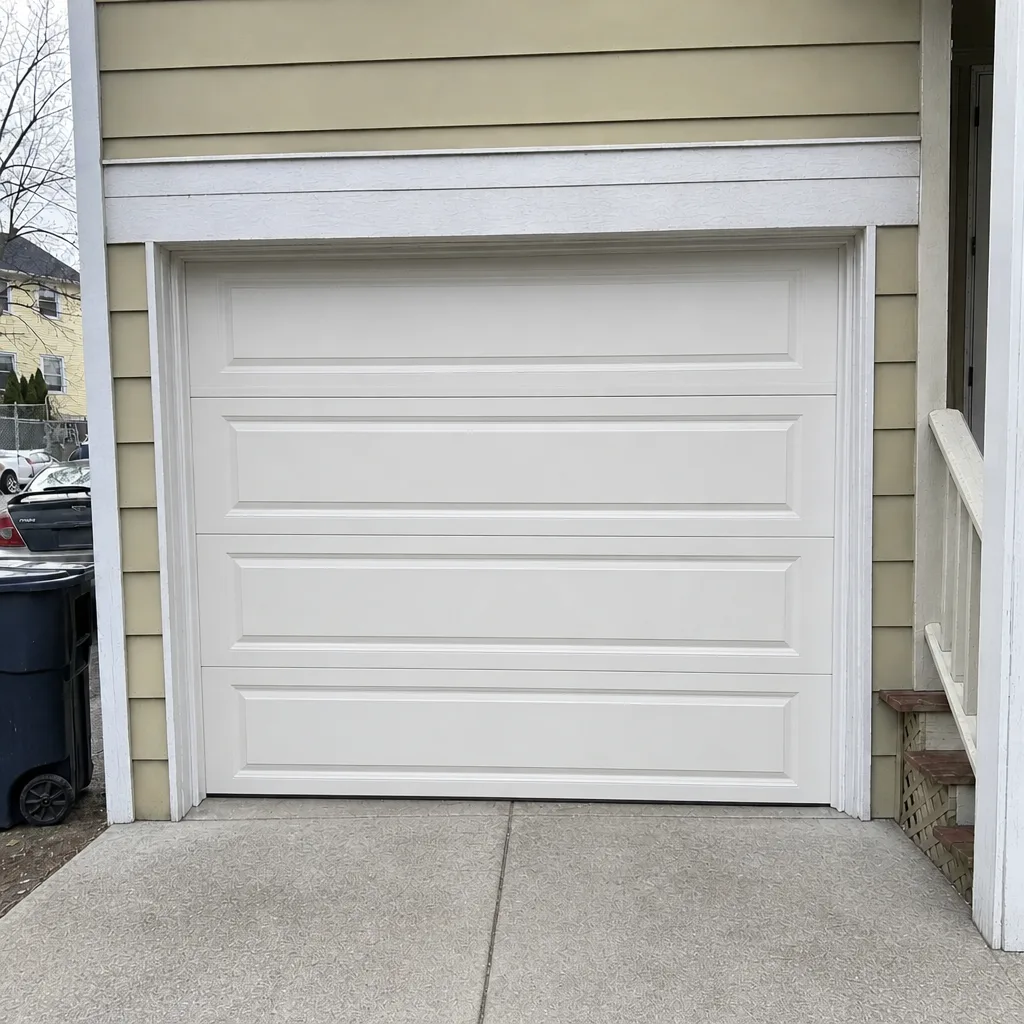 After
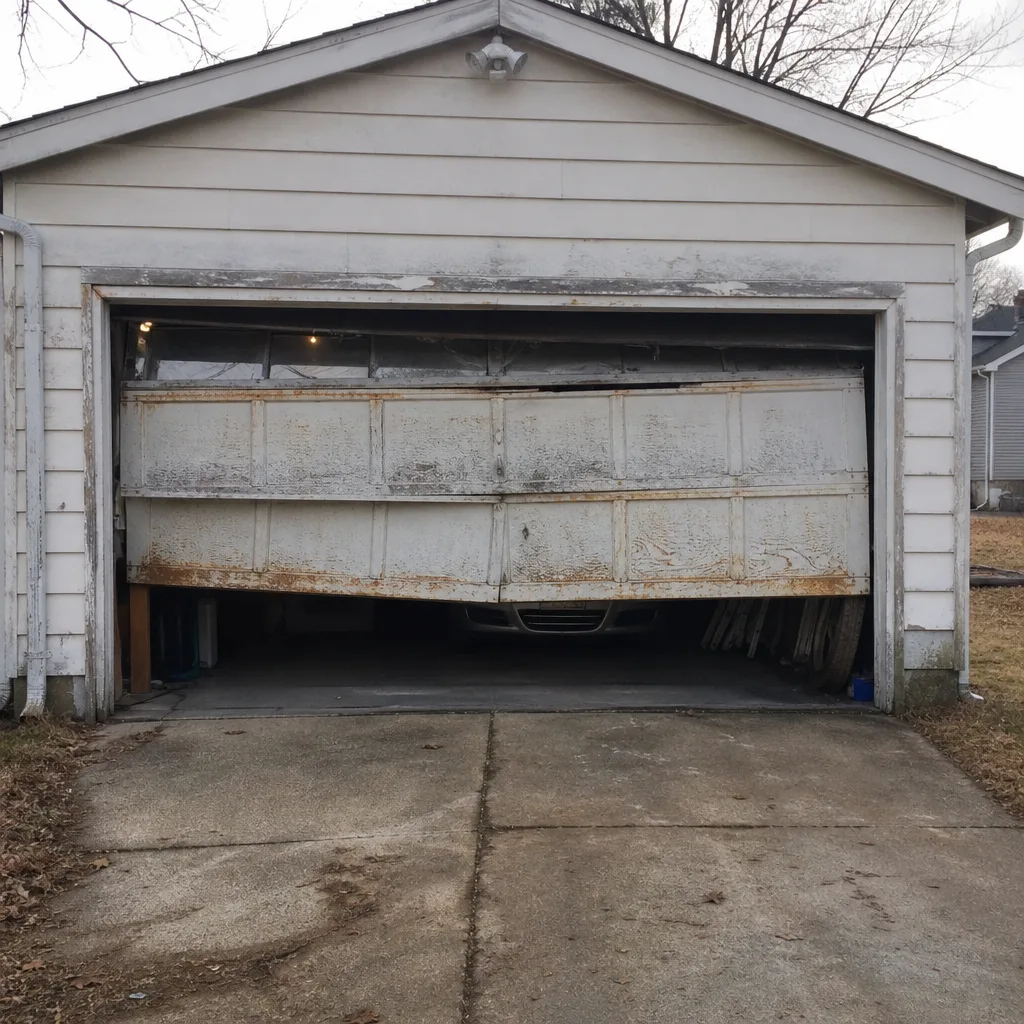 Before
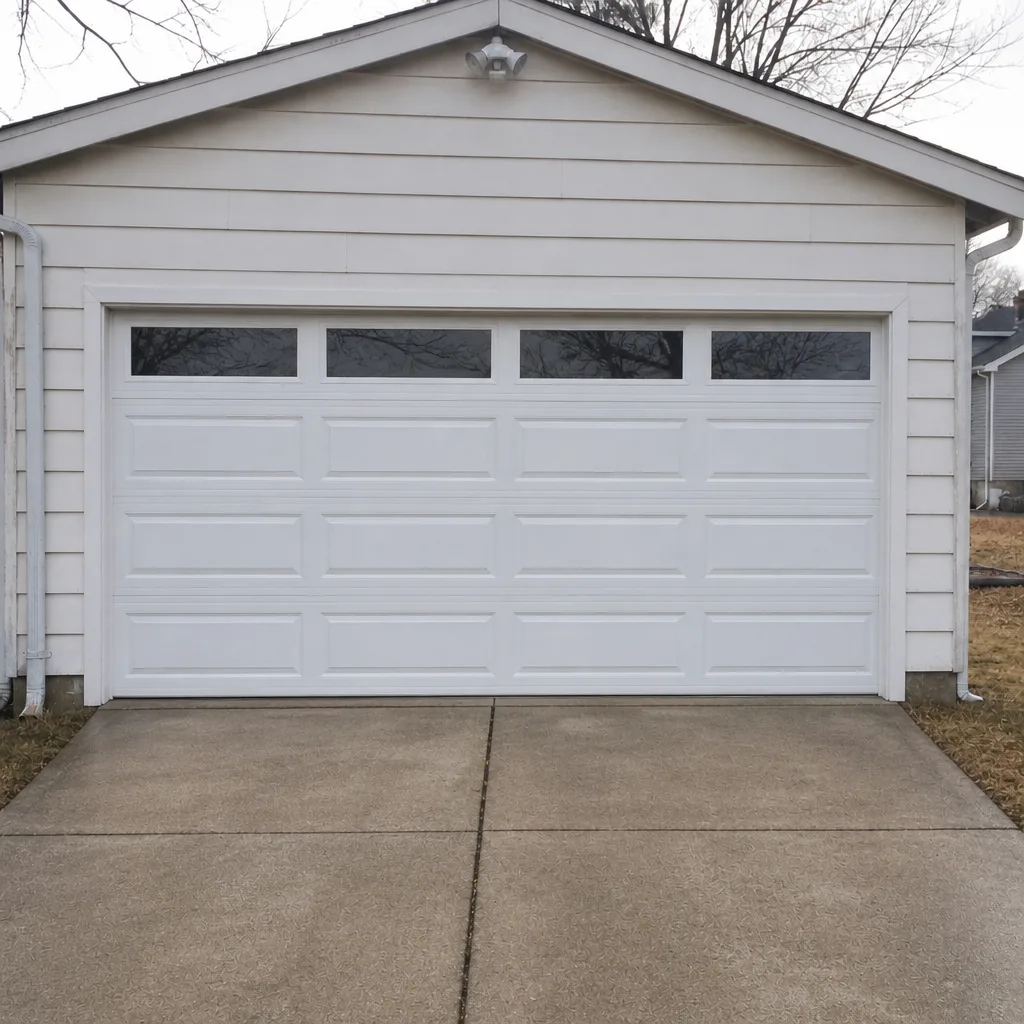 After
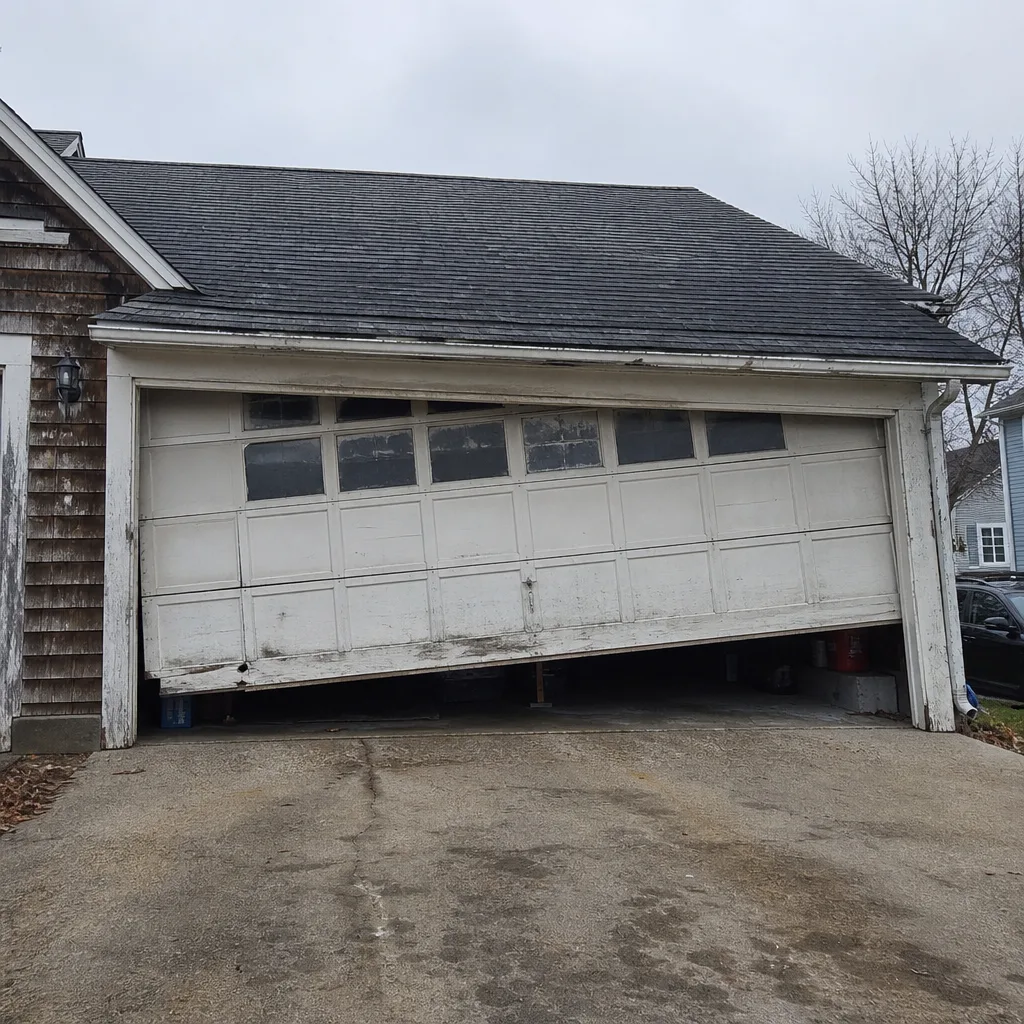 Before
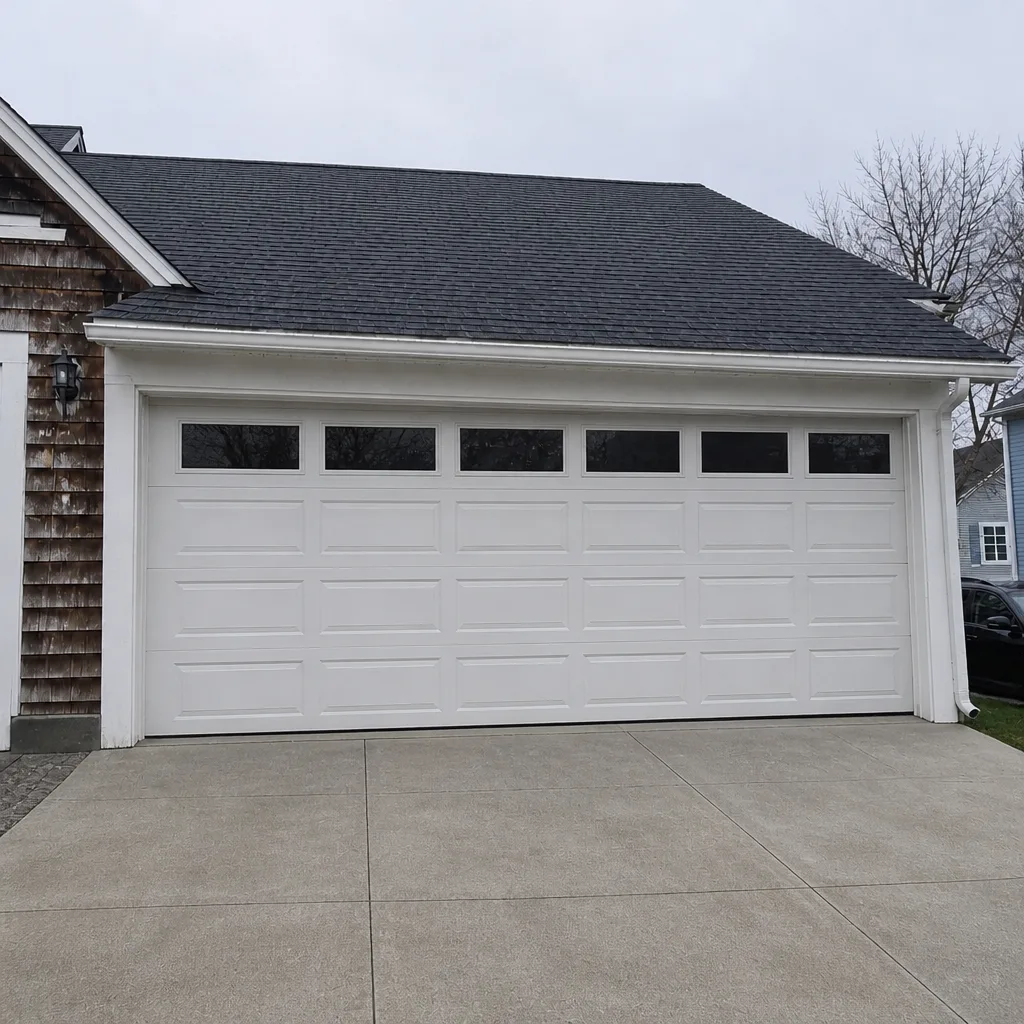 After
When to Call a Professional
Some issues are safe to live with for a few days. Others aren’t. Call a professional when a spring snaps or the door won’t lift at all, when a cable looks frayed or slack, when the door is clearly out of balance, when the opener stops reversing on contact, or when you’re planning a replacement and need accurate sizing before you order anything. In Dorchester, a door that binds in its tracks or a frame that’s gone out of square is also a call-a-professional signal, because those hidden issues are easier to catch on-site than over the phone.
Garage Door Repair Dorchester offers free estimates in Dorchester. Call (855) 500-4346. We answer 24/7. Fast dispatch from 7am to 7pm, Sunday through Friday. The price is quoted and agreed before any work starts, and our technicians have up to 12 years of experience with the brands and systems covered here.
Frequently Asked Questions
It depends on the job and your address, so ask the City of Boston building department directly before you order a door. A like-for-like repair generally doesn’t trigger a permit, while a full replacement or a size change often does. We’ll tell you honestly whether a job looks like it needs one, but the city has the final say.
You can usually replace just the spring if the panels and structure are sound. Springs are wear items and fail on their own, especially with Boston’s temperature swings. If the panels are rotting or the frame is out of square, the conversation shifts toward replacement. Call (855) 500-4346 and we’ll help you sort out which you’re facing, with a free estimate.
Because many Dorchester garages were built before 1960 and don’t follow modern standard dimensions. Carriage houses, converted structures, narrow side lots, and settled frames all create openings that don’t match catalog sizes. Measure width, height, headroom, and side clearance before buying anything, or you’ll eliminate half the market by mistake.
Usually, yes, but older wiring and missing safety sensors can complicate the swap. The leading brands, including LiftMaster, Chamberlain, and Genie, cover both legacy and smart-integrated units. Confirm your power and sensor setup first. Call (855) 500-4346 for an exact quote, and estimates are free.
We work on LiftMaster, Chamberlain, Genie, Clopay, Amarr, Wayne Dalton, Craftsman, and Raynor, covering both the door and the opener system. That range means a single call handles diagnosis and repair without bouncing between vendors. Call (855) 500-4346 to confirm your brand and get a free estimate.
No, the price is quoted and agreed before any work starts, so the written estimate sets the final number. When we measure on-site, any difference from what you described gets discussed before we begin, not after. That’s the whole point of getting the estimate in writing. Call (855) 500-4346 to schedule yours.
The Bottom Line
Garage doors in Dorchester don’t follow the suburban playbook. The housing stock predates modern standards, so sizing comes first, and a door that fits your opening is worth more than one that fits a catalog. Insulated steel handles Boston’s climate better than thin vinyl or unsealed wood. Opener replacement deserves a wiring check, not a blind swap. Permits hinge on whether you’re repairing or replacing, and the city’s building department settles that question. For everything else, from spring repair to installation to parts, Garage Door Repair Dorchester covers the full scope with trained technicians and direct knowledge of the brands that actually have local support.
Ready to get a real answer on your door? Call (855) 500-4346 for a free estimate. We answer 24/7, with fast dispatch from 7am to 7pm, Sunday through Friday. The price is quoted before any work starts, and one call covers both the door and the opener.
Written by the team at Garage Door Repair Dorchester.