
Last updated November 20, 2026
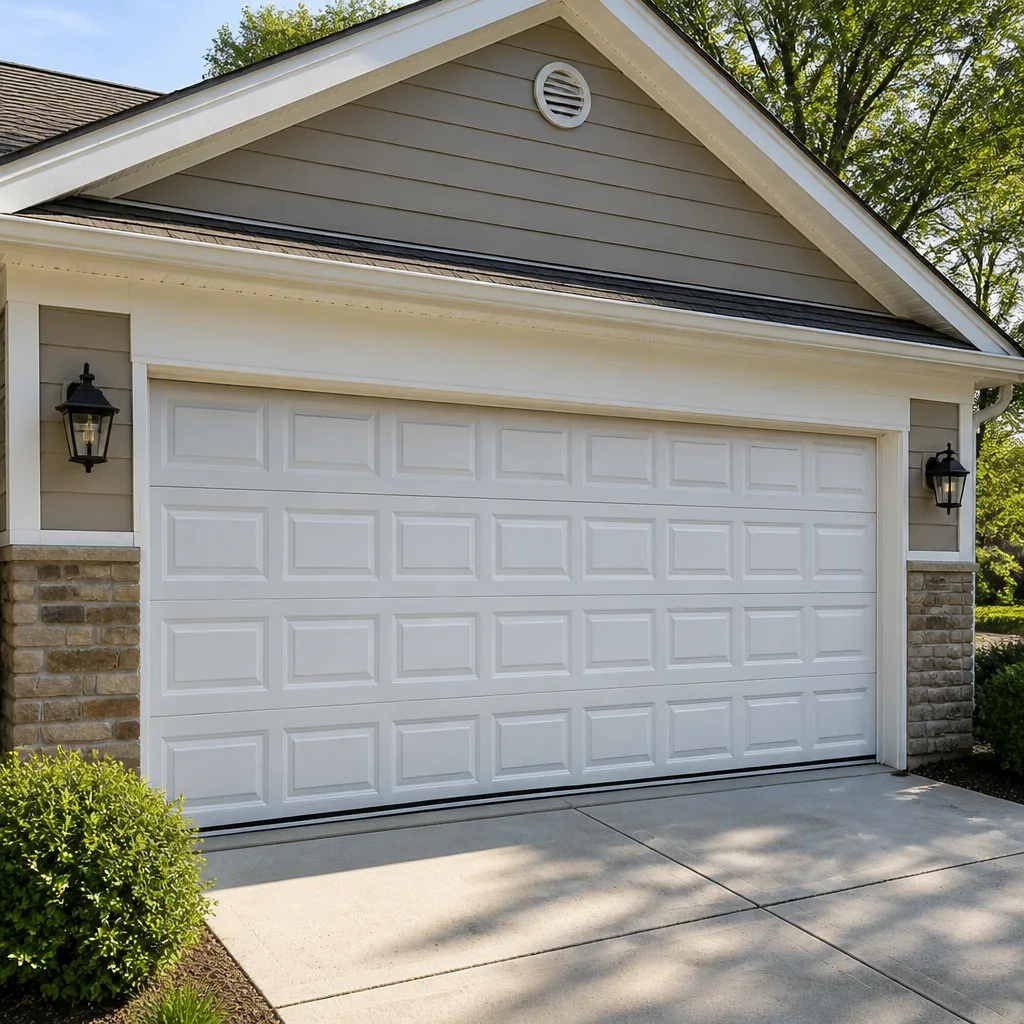 Raised-panel steel
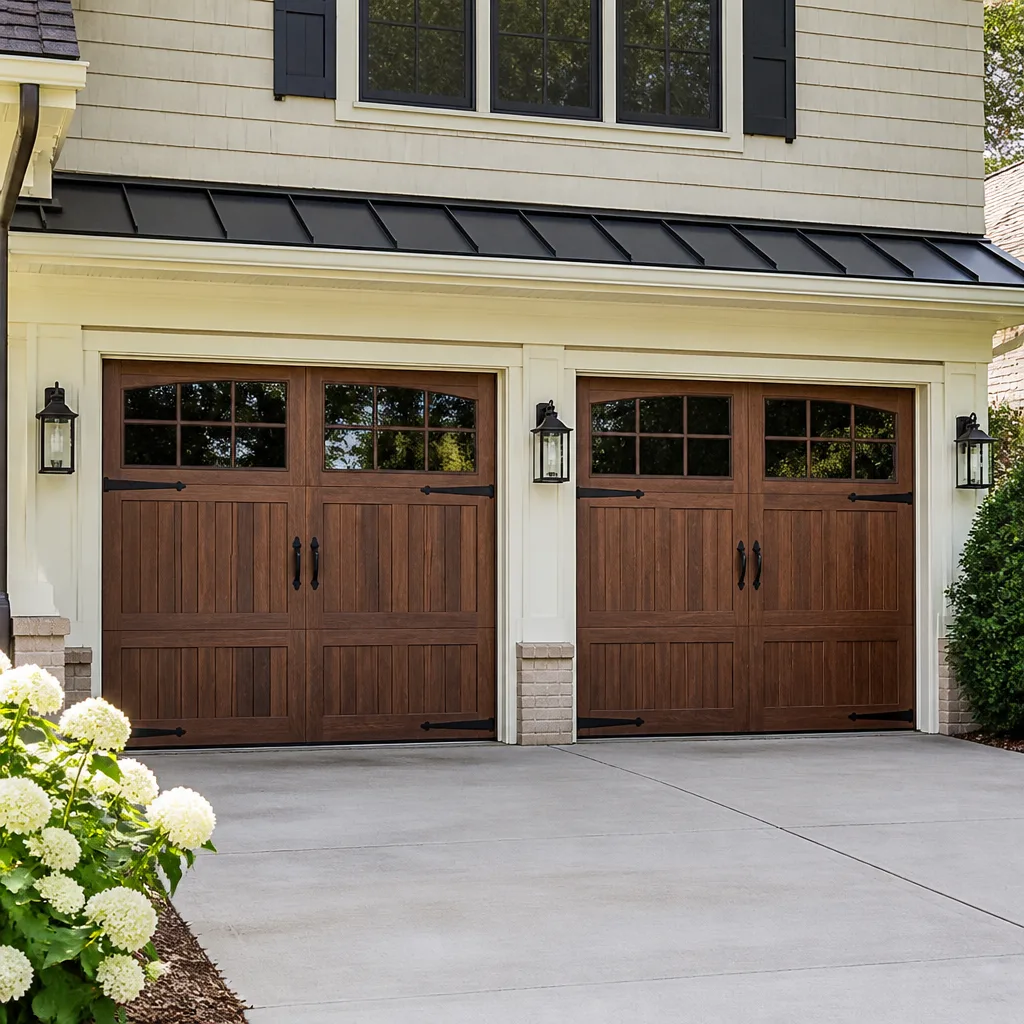 Carriage house
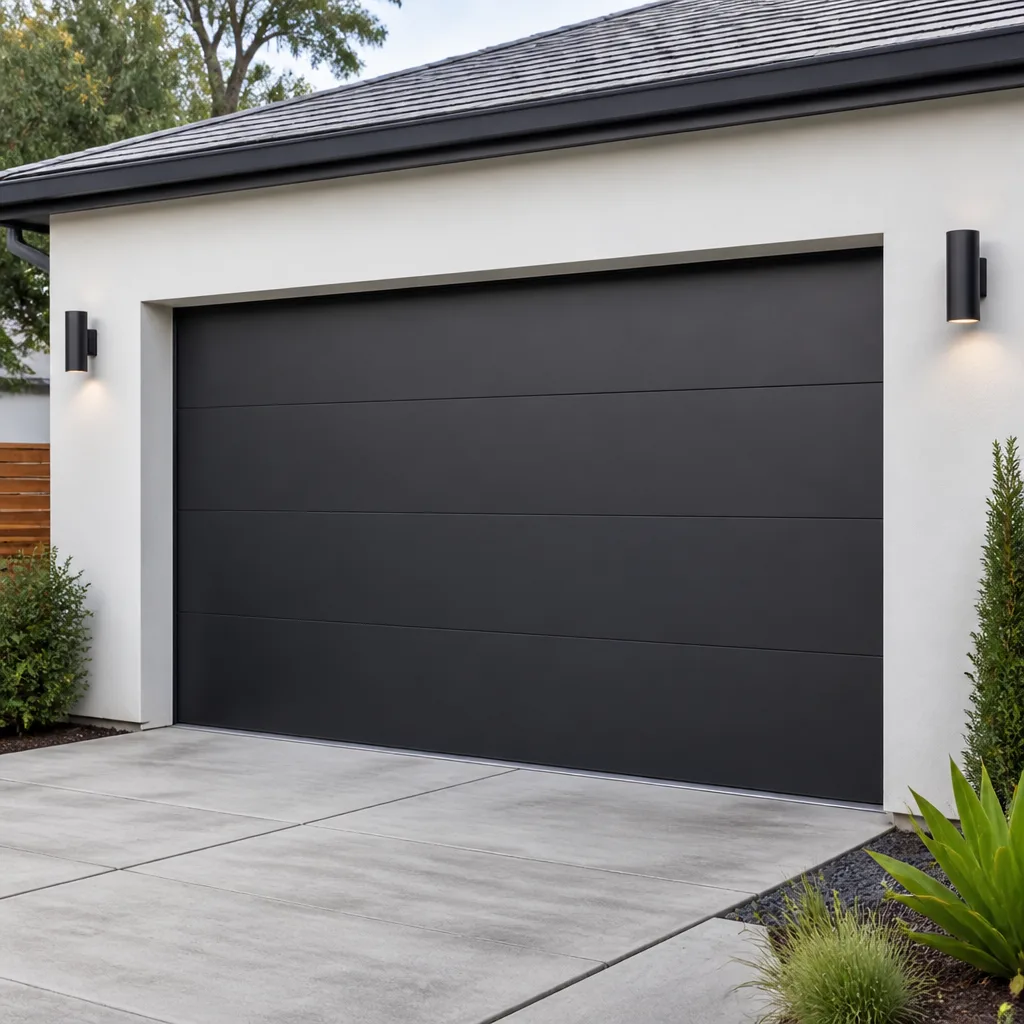 Modern flush
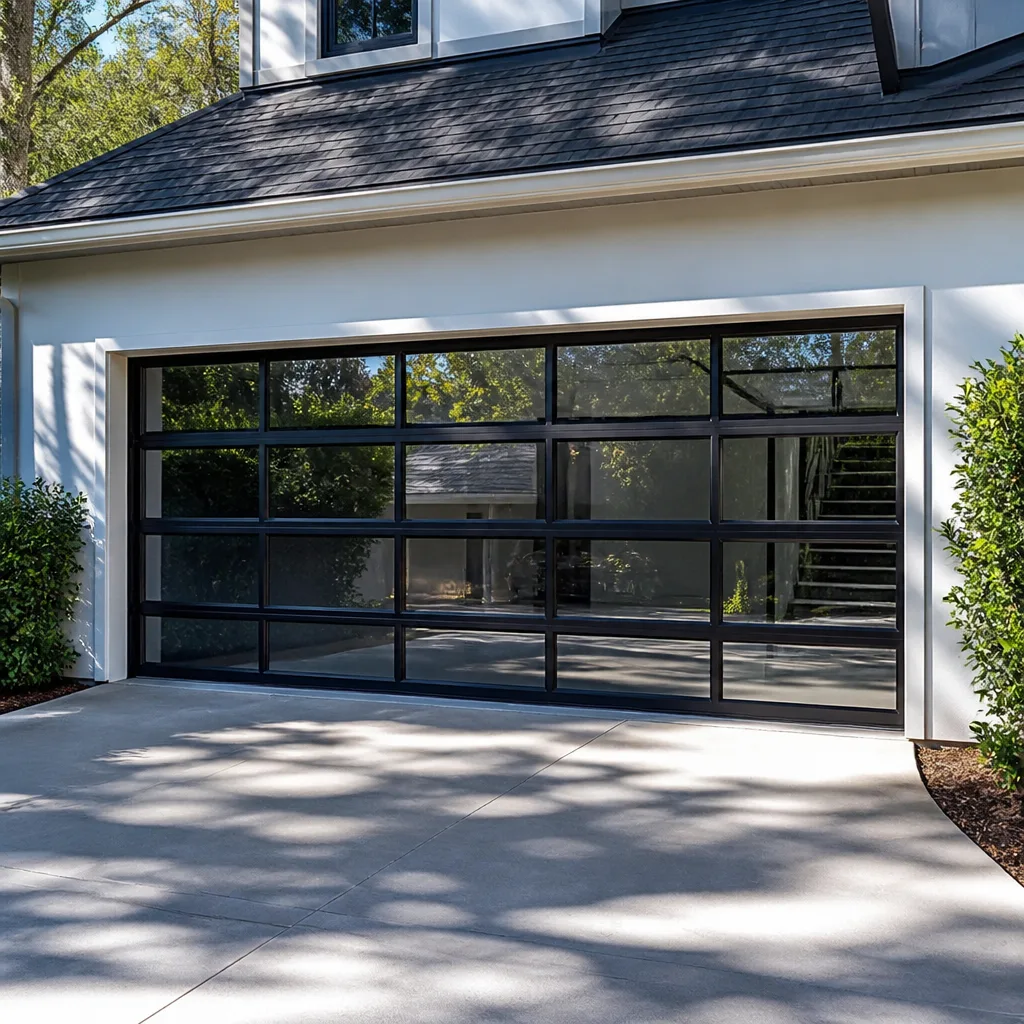 Full-view glass
 LiftMaster openers
 Chamberlain openers
Full 25-point door and opener safety check with every visit - springs, cables, rollers, tracks, and your LiftMaster or Chamberlain opener included
You get a price before we start. It does not change when the pro arrives.
Get your free estimateGarage Door Permits, Codes & Inspections in Dorchester, MA: What You Need to Know
Most homeowners assume a garage door swap needs no paperwork. Often they’re right. But in Dorchester, a garage door is sometimes more than a door: if the garage is attached to the living space, the door and its surrounding assembly are part of a fire separation, and Massachusetts building code treats that assembly differently from a freestanding door on a detached garage. Change it to an unrated door without the right permit and the work can look fine on the surface while leaving a compliance gap that surfaces later, at the worst possible moment. This guide walks through what actually triggers a permit in Boston, what inspectors look at, how the historic districts woven through Dorchester change material choices, and who’s legally on the hook when a permit gets skipped.
Quick Answer
A like-for-like garage door replacement in Dorchester usually needs no building permit, but a door serving an attached garage does, because it’s part of a fire-rated separation assembly under 780 CMR. Structural changes to the rough opening, new construction, and any exterior alteration inside a Boston historic district all require review through the Inspectional Services Department (ISD) before work begins. When in doubt, call the city’s building department and describe the job in plain terms; that single call settles most of it.
Styles & brands we work with
- Raised-panel steel
- Carriage house
- Modern flush
- Full-view glass
- LiftMaster openers
- Chamberlain openers
Table of Contents
- What Triggers a Garage Door Permit in Dorchester?
- Attached Garages and the Fire-Rated Separation Rule
- Historic District Overlays and Exterior Door Choices
- What an Inspection Actually Checks
- Who Pulls the Permit: Contractor or Homeowner?
- What Happens If You Skip the Permit
- How the Permit and Inspection Process Usually Goes
- When You Need a Repair Instead of a Permit
What Triggers a Garage Door Permit in Dorchester?
There are three distinct jobs that get lumped together as “replacing a garage door,” and each lands in a different place with ISD. Knowing which one you’re actually doing is the whole game.
Replacement in kind. Same size, same opening, same type of door, same spring and track arrangement. This is the most common garage door job in Dorchester’s dense residential neighborhoods, and it typically does not require a building permit. You’re swapping a component, not altering the structure.
Rough opening alteration. Enlarging or heightening the opening, moving a header, changing the framing to fit a taller or wider door. That’s structural work, and it needs a permit and inspection. A new rough opening changes load paths, and ISD wants to see it framed correctly.
New construction or a new attached garage. A brand-new garage, or a garage added to an existing home, requires full permitting through ISD. The door itself is a small line item in a much bigger permit package.
There’s a fourth case that catches people: the appearance change. If your Dorchester garage faces a street inside one of Boston’s historic districts, changing the door’s material, style or color can need review even when the mechanical swap is a simple replacement in kind. We’ll get to that below, because it surprises people more than anything else on this list.
If you’re unsure which category your job falls into, the honest answer is to ask ISD directly and describe the door, the opening, and whether the garage is attached. A minute on the phone with the building department is cheaper than a correction later.
Attached Garages and the Fire-Rated Separation Rule
A detached garage in Dorchester can be a no-permit door swap. An attached garage is a different story, because the wall and door between the garage and the house are treated as a fire separation assembly. Massachusetts adopts the building code known as 780 CMR, and that code governs how the separation is built: the wall assembly, the door in it, and how everything joins together.
The practical takeaway for you: when an attached garage’s door is part of that rated separation, you can’t simply drop in any garage door you like. The replacement needs to maintain the rated assembly. Swap to an unrated, hollow, or improperly specified door and the assembly no longer performs as designed, even if it works fine mechanically.
What actually satisfies the requirement depends on the assembly, the wall construction, and how the door is hung. That’s a code question for ISD and for whoever is designing the work, not something to settle by reading a product label online. Product ratings and construction specs matter, but the only opinion that counts is the one from the authority having jurisdiction, and in Dorchester that’s ISD.
Here’s where a garage door specialist earns their keep. We work on the door and the opener system for a living, we know how these assemblies go together, and we can walk a homeowner through what the door needs to be before anyone orders it. What we don’t do is issue the permit or sign off on the code interpretation; that’s the city’s job. Our job is making sure the door that goes in can meet the requirement the city sets. Get those two pieces talking to each other and the project moves.
Fire-rated doors, by the way, cost more than a comparable unrated door. If budget matters, factor that in early rather than after the door is ordered. A door that meets the requirement the first time is cheaper than one that doesn’t and has to come back out.
Historic District Overlays and Exterior Door Choices
Dorchester is not one uniform neighborhood. It’s a patchwork of districts, and parts of it fall inside Boston historic district overlays. If your garage door is visible from a public way and you live in one of those areas, changing the door’s appearance can require review before installation, even when the mechanical replacement would otherwise be permit-free.
What triggers the review usually comes down to what’s visible:
- Material changes from wood to steel, or from steel to something textured or composite
- Style changes that alter the door’s panel pattern or window layout
- Color changes that depart from the district’s character
- Facing a street or public way rather than an alley or interior lot line
None of this means you’re stuck with a worn-out door. It means the plan comes before the order. Confirm your address against Boston’s historic district maps, and if it falls inside one, find out what the review process involves before you choose a model. The brands we handle, from Clopay to LiftMaster and the rest, offer enough profiles and finishes that a compliant door usually exists. But the profile has to be picked with the district in mind.
This is where homeowners lose time: they choose a door, fall in love with it, order it, and learn about the historic review afterward. Ordering before the review is settled can mean a door you can’t install. Ask first, choose second, order last.
What an Inspection Actually Checks (and What It Doesn’t)
An inspection through ISD is a code compliance check, not a mechanical quality check. That distinction matters, and it’s one of the most misunderstood things about the entire process.
What an inspector is looking at, typically:
- The permitted scope: is the door installed where the permit said, at the size specified?
- The rough opening and framing: is the opening framed correctly for the door and header?
- The fire separation: for an attached garage, does the door and its assembly meet the rated requirement?
- The attachment of the door to structure: properly anchored, tracks secured?
- Related safety items: door opener reversal function, and the presence of the required safety features on the opener system.
What it doesn’t check: whether the torsion spring was wound to the correct tension for the door’s weight, whether the tracks are truly plumb, whether the opener’s force limits are calibrated so the door closes without slamming, or whether the hinges and rollers are matched to the door’s duty cycle. In our experience, a door can pass every code check and still be a mechanical headache if the installation was rushed or the spring was sized by guess instead of calculation.
That’s why passing inspection is not the finish line. It’s one gate. The door also has to be safe to operate every day, and that’s a craftsmanship question the inspector isn’t there to answer. When we’re involved, the mechanical side is settled before the door is ever handed back. If you’re a Dorchester homeowner arranging the permit and inspection yourself, budget time for both, and don’t schedule a final inspection until the door is fully operational.
Who Pulls the Permit: Contractor or Homeowner?
The person who signs the permit application is the person legally responsible for the work being done to code. That’s the short answer. The longer answer is that it depends on who your contract says is doing the work.
In Massachusetts, a licensed contractor can pull permits for work they perform. A homeowner can typically pull a permit for work on their own primary residence. But “can pull” and “should pull” are different questions. When you pull the permit yourself, you take on the responsibility for the work meeting code, including the fire-rated separation issue in an attached garage. If a problem surfaces later, you’re the one who signed the application.
In practice, when a licensed contractor is doing the work, the cleaner arrangement is for that contractor to pull the permit and to be listed as the responsible party. That keeps the chain of responsibility consistent: the person who did the work is the person on the permit. If a contractor asks you to pull the permit in your own name on a job they’re doing, that’s a reasonable point to ask why.
One more thing on this front. The company you hire to install the door should be able to tell you plainly whether the job needs a permit. If you get a shrug, that’s information too. We’re a garage door specialist, not a general contractor, and one of the things that specialization buys you is knowing which jobs fall on which side of the permit line. If your job crosses into structural or historic territory, we’ll tell you before anyone picks up a tool, and we’ll connect you with the right local professional for the portions we don’t run. Garage door repair is our trade, not a side job, and we approach every request with that focus.
What Happens If You Skip the Permit
Skipping a required permit is not a small paperwork lapse. It surfaces when you least want it to, and there are three places it typically comes back to bite.
On a sale. During a home sale, the buyer’s inspector and their attorney will look at major improvements. An unpermitted structural change, or an unpermitted fire separation modification, can become a negotiation point, a correction demand, or an insurance complication for the buyer. In Dorchester’s active residential market, that matters.
On an insurance claim. This is the one we want every homeowner to hear. If an attached garage is part of a fire separation and the door was changed to an unrated assembly without a permit, a future claim can be challenged on the grounds that the assembly no longer meets code. It doesn’t matter that the door worked fine for years. The issue is that the assembly wasn’t maintained as required, and the insurer is entitled to examine that. We don’t say this to alarm anyone; we say it because the gap is real and easy to avoid.
At an inspection or after a complaint. ISD can require that work be brought into compliance after the fact, which usually means opening up, redoing, and reinspecting. The cost of doing it right the first time is generally lower than the cost of doing it twice.
None of this means every garage door job needs a permit. It means the jobs that do are not optional, and the fire-rated separation is the one homeowners most often miss.
How the Permit and Inspection Process Usually Goes
Here’s the general sequence. Every job is different, and the city sets the pace, but this is the shape of it.
- Determine the scope. Attached or detached garage? Replacement in kind, structural alteration, or new construction? Historic district or not? Write the answers down before you call anyone.
- Check with ISD. Call the city’s building department with your scope. Ask whether a permit is required, what documents they want, and whether historic review applies. Get the answer for your specific address.
- Confirm the door specification. If the door is part of a rated separation or a historic review, settle the model and material before ordering. This is the step that saves the most money.
- Pull the permit. The responsible party signs the application. If a contractor is doing the work, that’s usually the contractor.
- Install and inspect. The work goes in. The inspection happens at the point ISD specifies. Framing and rough opening work may need a rough inspection before the door closes things up; the final inspection confirms the finished assembly.
- Get the sign-off. Keep the inspection record with your home paperwork. If you sell, you’ll want it.
In Dorchester, older housing stock adds a wrinkle: a garage built decades ago may not have a clean record of how the original assembly was constructed. That’s often the moment a simple door swap turns into a conversation with ISD about what’s actually there. Better to discover that in the planning stage than on the install day. When that happens, we step back and let the code question get answered by the people who answer code questions. The door can wait until the answer is clear.
When You Need a Repair Instead of a Permit
Most of what a garage door needs has nothing to do with permits. A broken spring, a door off its track, an opener that won’t reverse, a bent panel after a household mishap: these are repair jobs. The door stays in its opening, the structure is untouched, and no permit enters the picture.
That includes the brand-specific work. Whether you have a LiftMaster opener, a Chamberlain wall unit, a Genie chain drive, or a Clopay door that’s seen better years, the repair is mechanical, not structural. Springs, in particular, are the most dangerous job on any garage door and the one we handle most often. A torsion spring under tension can cause serious injury if released improperly, so this is not a job for a homeowner with a YouTube tutorial and a set of winding bars. We handle spring repair directly and safely, and we’ve done it enough to know the difference between a spring that was sized right and one that was guessed at.
Separately, there’s the parts question. Sometimes you don’t need a repair call at all: you need a specific component, a roller set, a hinge, a bottom seal, and you’re happy to do the labor yourself. We supply parts as a standalone service for exactly that. You shouldn’t have to book a full repair call just to source the right part for a Clopay or Wayne Dalton door. If you need a whole new door, though, that’s where garage door installation comes in, and that’s where the permit question and the fire-rated separation and the historic overlay all get considered before the door is ordered. If your opener is the issue, that’s garage door opener repair territory, which is mechanical and permit-free in almost every case.
The dividing line is simple: if the door is being repaired within its existing opening, no permit. If the opening, the structure, or the rated assembly is changing, the city gets involved first. Once that line is clear, the rest of the job goes quickly. For a broader look at the day-to-day side of garage door work in this area, our Garage Door Repair Dorchester page covers repair, springs, openers, and installation in one place.
Common Mistakes to Avoid
- Assuming an attached-garage door swap is permit-free. The single most common error. If the garage shares a wall with the house, the door is likely part of a fire-rated separation and the assembly rules apply. Confirm with ISD before ordering.
- Choosing the door before checking the historic district map. Homeowners in Dorchester’s historic overlay areas sometimes fall in love with a finish that isn’t approvable. Check the address first, pick the door second.
- Treating a passed inspection as proof of a good install. An inspection confirms code compliance. It doesn’t confirm the spring was sized to the door’s weight or the tracks are true. Mechanical quality is a separate check.
- Ordering a fire-rated door without confirming the assembly. A rated door is a component, not a complete solution. The wall, the door, and how they join all matter. The assembly has to work together.
- Pulling a permit in your own name for work you didn’t do. If a contractor is doing the work, they should generally be on the permit. Taking on the responsibility yourself puts you in the position of answering for someone else’s work.
- Skipping the inspection record. Even on a small permitted job, keep the sign-off with your home documents. A future buyer’s attorney will want to see it, and the absence of a record can read as a red flag even when the work was fine.
- Waiting until install day to ask about the opening. Older Dorchester garages sometimes have framing that doesn’t match the drawings, or a rough opening that’s out of square from decades of settling. Discover that before the truck is loaded, not after.
See the difference
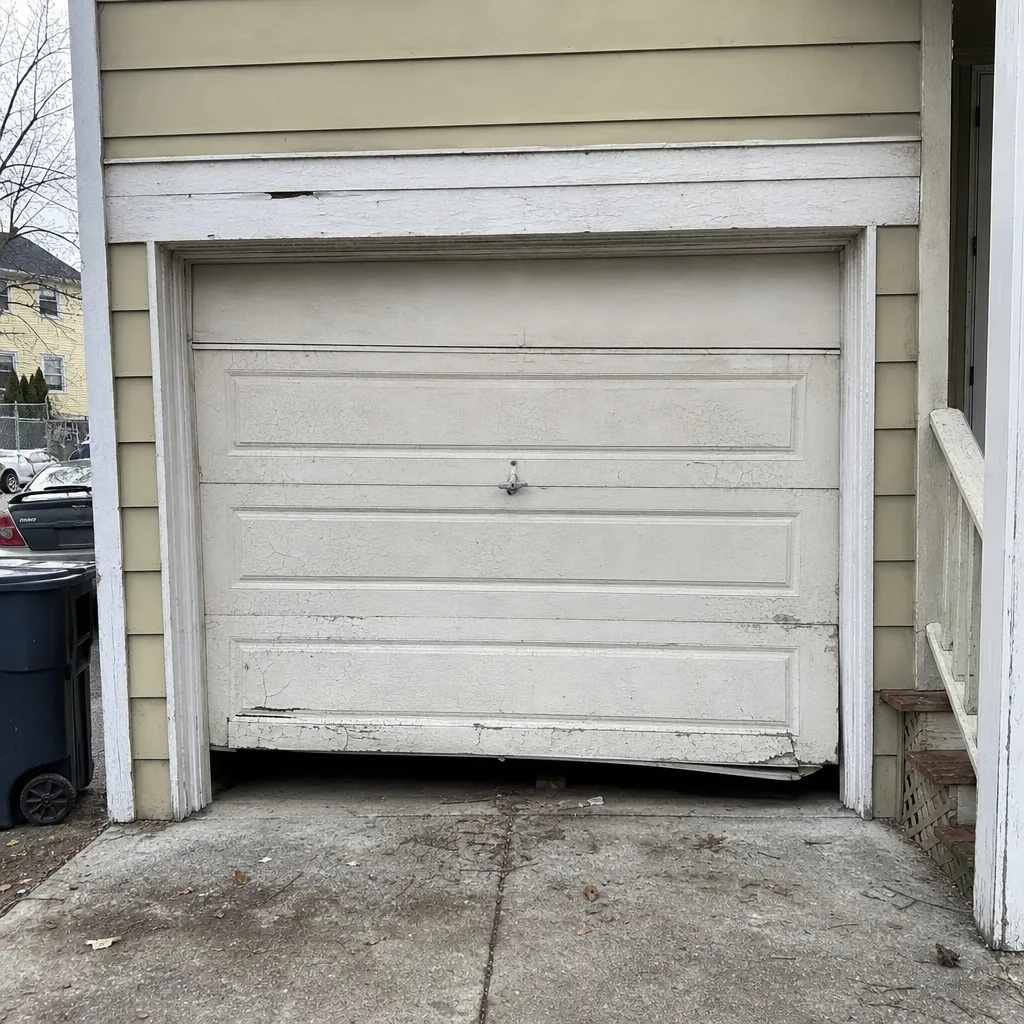 Before
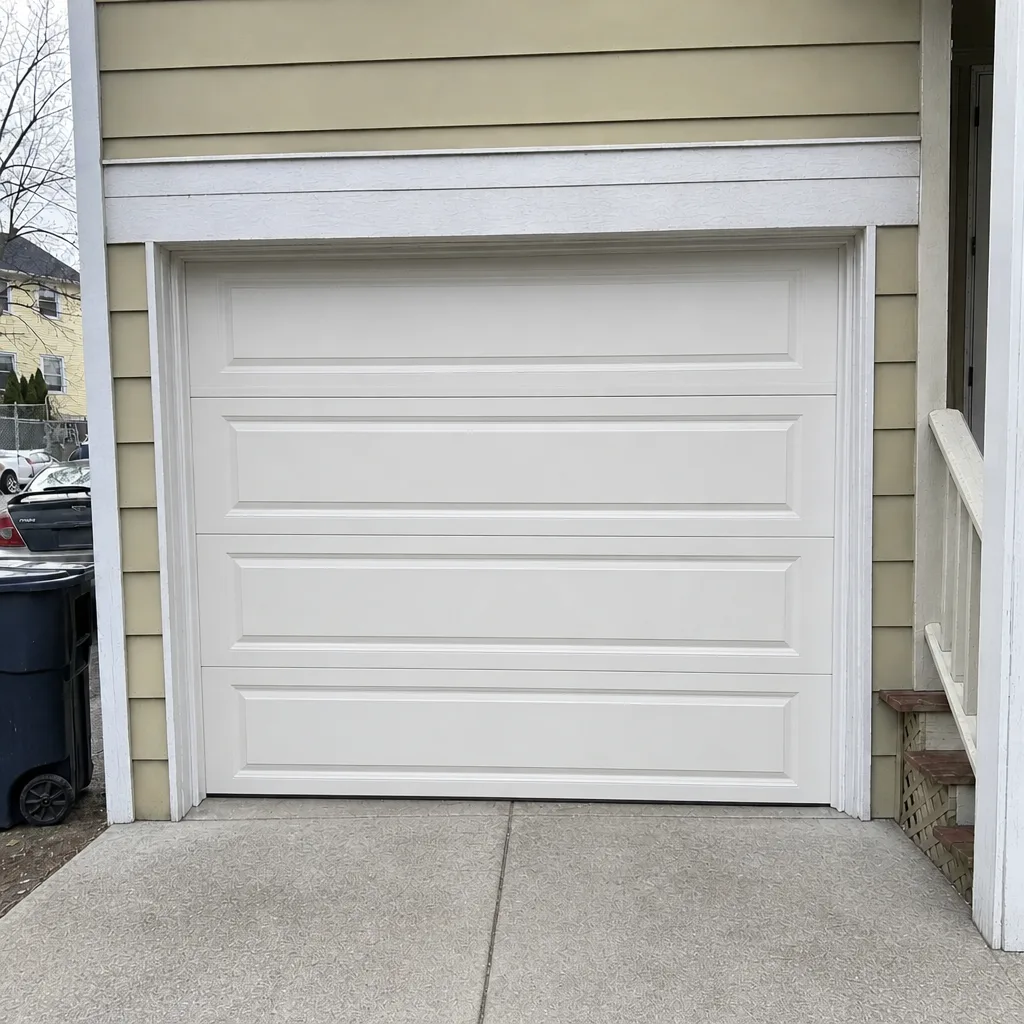 After
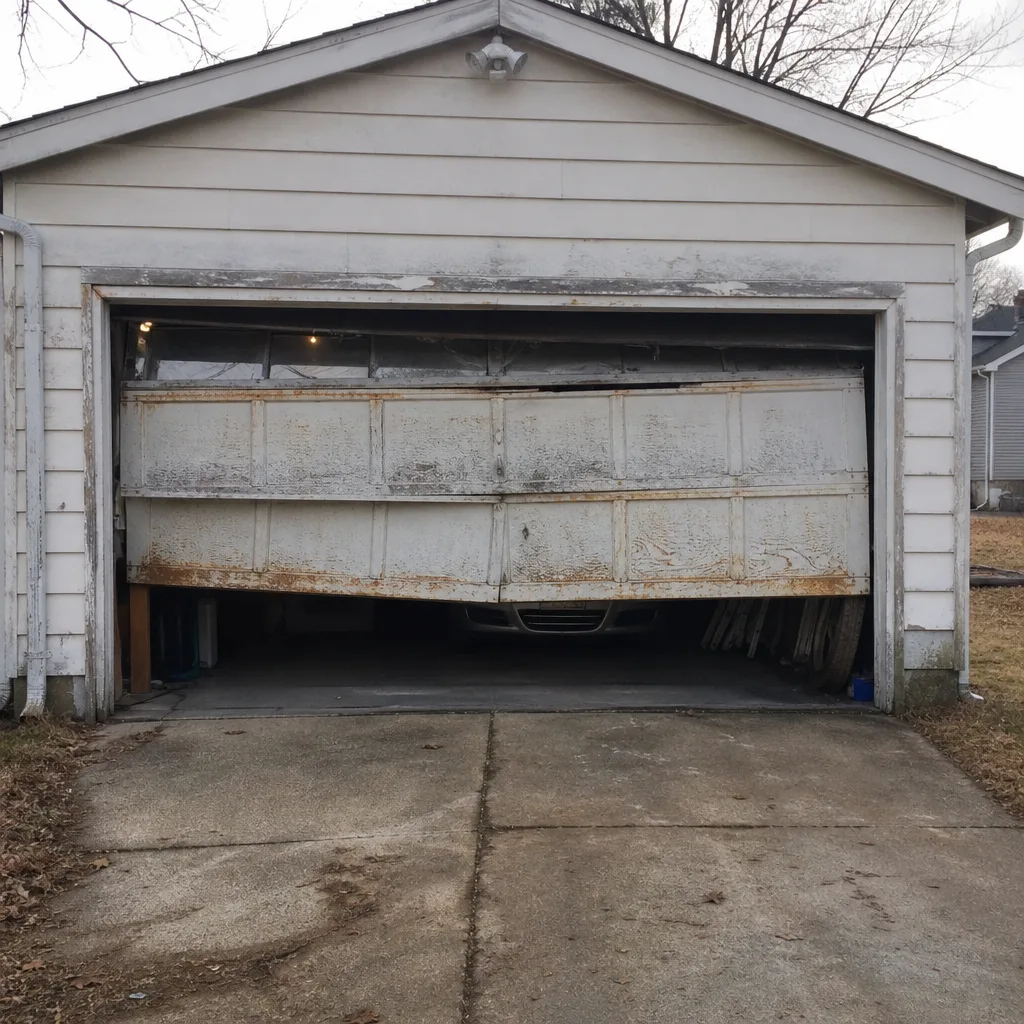 Before
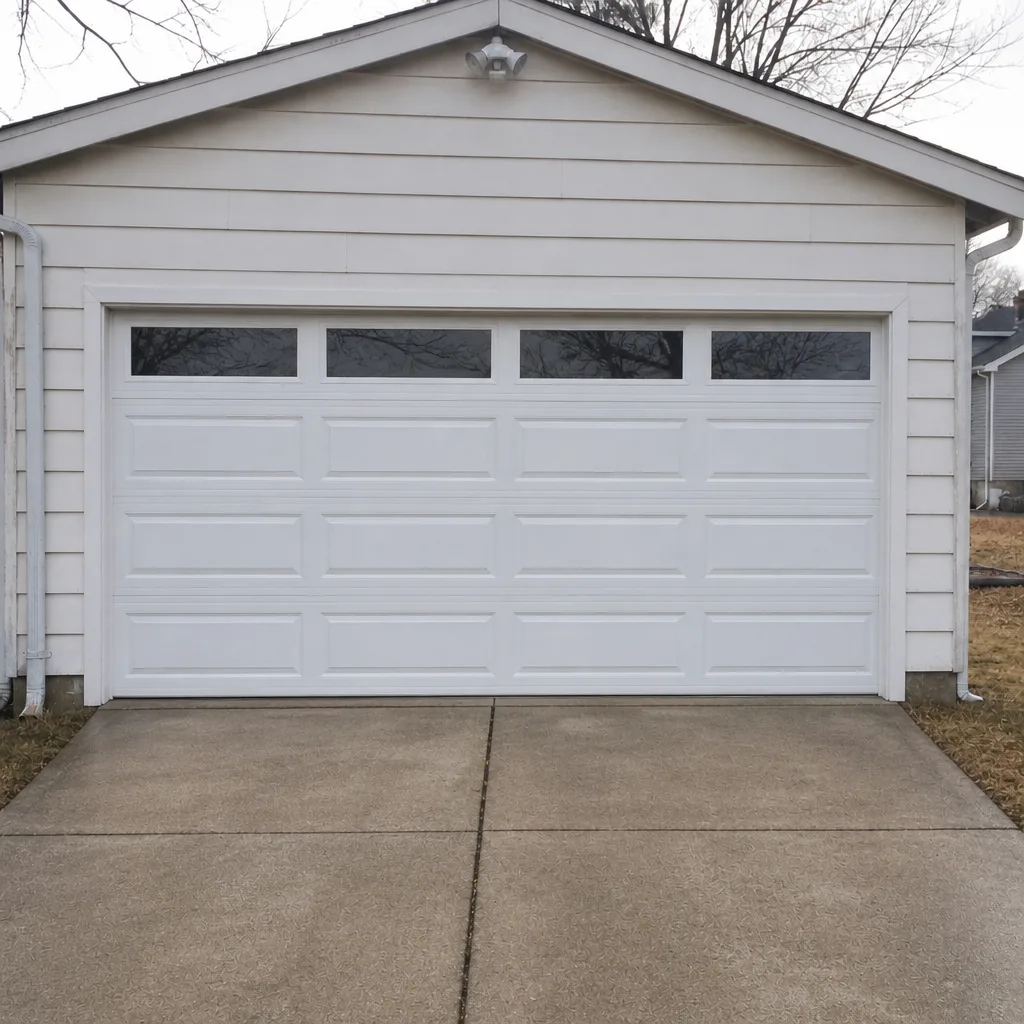 After
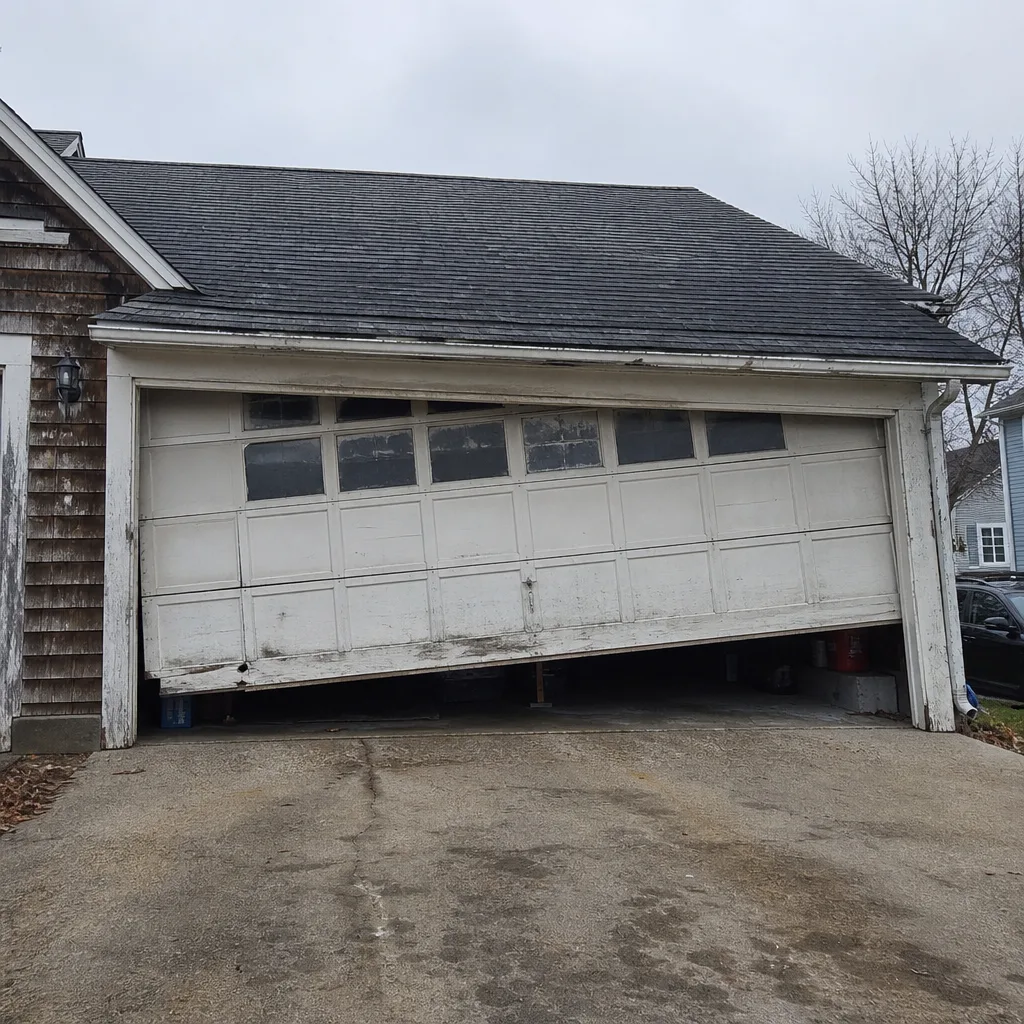 Before
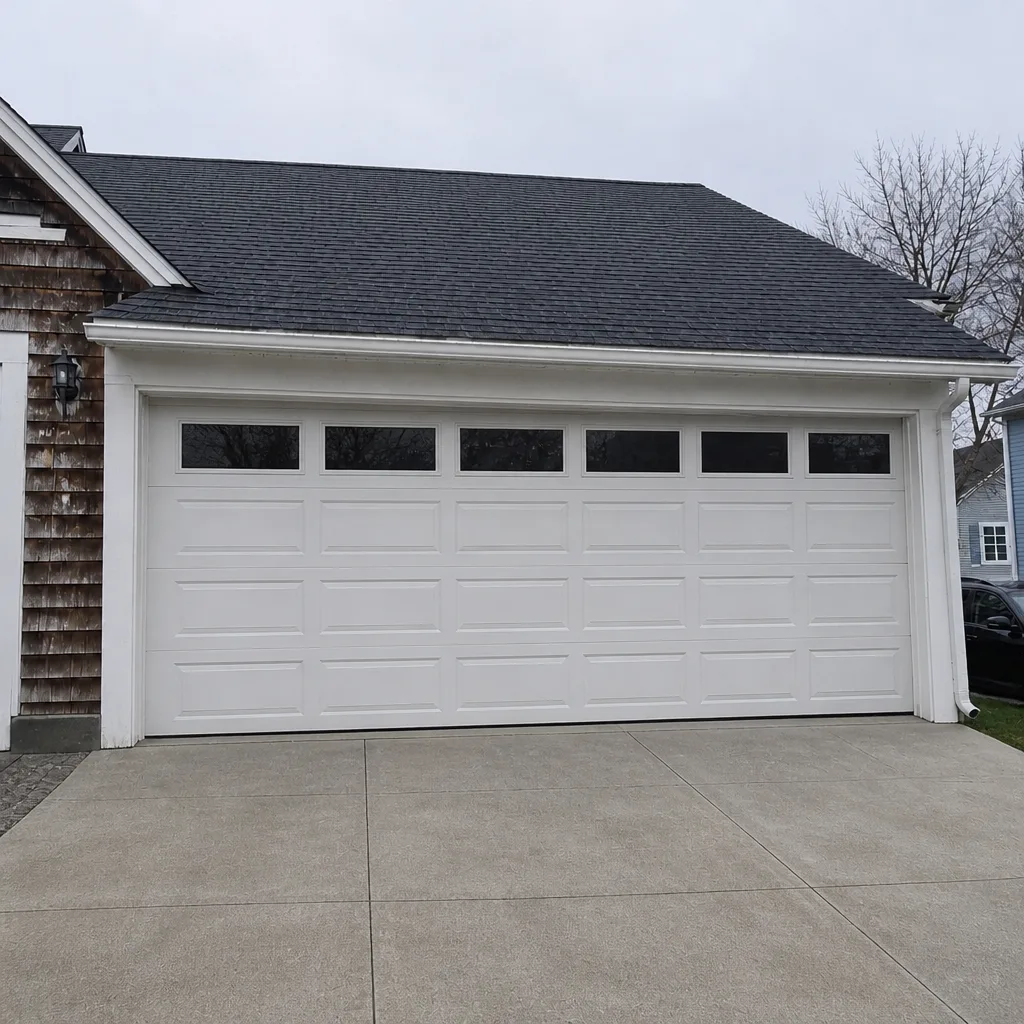 After
When to Call a Professional
Call a professional when the work touches the spring assembly, the opener, the door’s balance, the track alignment, or the overall install. These are the jobs where a mistake causes injury or property damage rather than a quick fix. Call us when you’re not sure whether your job needs a permit, because we’ve worked inside Dorchester’s older garages long enough to spot the attached-garage and historic-overlay cases before they become problems. We’re not the company that figures out the code question for you; ISD does that. What we do is the door and the opener, and we do it as a single-trade specialist. Garage Door Repair Dorchester offers free estimates in Dorchester. Call (855) 500-4346, and we’ll tell you plainly what your job involves and what it’ll cost before any work starts. The written estimate sets the final price, and the price is quoted and agreed before we begin.
Frequently Asked Questions
A straight replacement in kind usually needs no permit, but an attached garage door is part of a fire-rated separation and typically does. If the garage is attached to the house, or if the rough opening is being altered, call Boston’s ISD and confirm for your specific address before ordering the door. The answer depends on your garage and the assembly, not on the door model alone.
The person legally responsible for the work, which usually means the licensed contractor doing the install. Homeowners can pull permits for work on their own primary residence, but doing so puts the responsibility for compliance on them. If a contractor is doing the work, the cleaner arrangement is for them to pull the permit and be listed as the responsible party.
It can, if the door is part of a fire-rated separation that was changed to an unrated assembly without a permit. Insurers are entitled to examine whether required assemblies were maintained, and an unpermitted change can become an issue in a future claim. This is why the permit question is worth settling before the door is ordered, not after.
Yes, in parts of Dorchester that fall inside Boston historic district overlays. If the door faces a public way, changes to material, style, or color may need review before installation. Check your address against the city’s historic district maps first, then choose a door that fits. There are typically compliant options across the major brands, including Clopay profiles.
The assembly between an attached garage and the living space is a fire separation under 780 CMR, and the door in that assembly is part of it. Whether your specific door needs a rated specification depends on the assembly and the wall construction, so the authority having jurisdiction (ISD) is the right source. Don’t assume an unrated door is fine just because it fits the opening.
It checks code compliance: the permitted scope, framing, fire separation, anchorage, and required opener safety features. It does not check whether the spring was sized correctly for the door’s weight or whether the tracks are plumb. Those are mechanical quality items, and in our experience they’re best confirmed by whoever installed the door, not the inspector.
Replacement in kind on a detached garage sometimes qualifies as permit-free, but the fire separation in an attached garage and the historic overlay rules in parts of Dorchester complicate that. Call ISD with your specific address and scope before deciding. If you’re unsure, the safe move is to ask now rather than correct it later.
For repair jobs, yes, we can often arrange same-day service. Call (855) 500-4346. We answer 24/7, and we dispatch Sunday through Friday, 7am to 7pm. For installation or replacement, that’s a scheduled job, not same-day; the free measure and written estimate come first, and we work from there. Installation scheduling follows the permit and product lead time, which varies by job.
The price is quoted and agreed before any work starts, so the written estimate is the number you pay. If the job turns out to involve something the estimate didn’t cover (unusual framing, a damaged track discovered on arrival), we’ll explain it and get your agreement before proceeding. Call (855) 500-4346 for an exact quote; estimates are free.
The local pro who performs the work is licensed and insured as their state requires, and we connect you with that vetted local professional. We can’t state specific license or insurance numbers in this guide, but if you need to see credentials, ask before the job starts. Any professional handling your door should be able to provide them on request. Our technicians have up to 12 years of experience.
The Bottom Line
Garage door permits in Dorchester come down to three questions: is the garage attached, is the opening or structure changing, and is the address inside a historic district? If the answer to any is yes, call Boston’s ISD before you order the door. A replacement in kind on a detached garage often goes without a permit. An attached-garage door swap usually doesn’t, because the door is part of a fire-rated separation under 780 CMR, and swapping to an unrated assembly can complicate a future insurance claim. An inspection confirms code compliance, not installation quality. And the person who pulls the permit is legally the responsible party, so keep that chain clean. A garage door specialist who works on the door and opener all day will tell you plainly which side of the line your job falls on, and it’s your job to have the code question answered before the door is ordered. Once work starts, the free estimate and written price hold: what we quote is what you pay.
Written by the team at Garage Door Repair Dorchester.
Need a garage door looked at? Call (855) 500-4346 for a free estimate. We answer 24/7. Fast dispatch from 7am to 7pm, Sunday through Friday.