
Last updated November 20, 2026
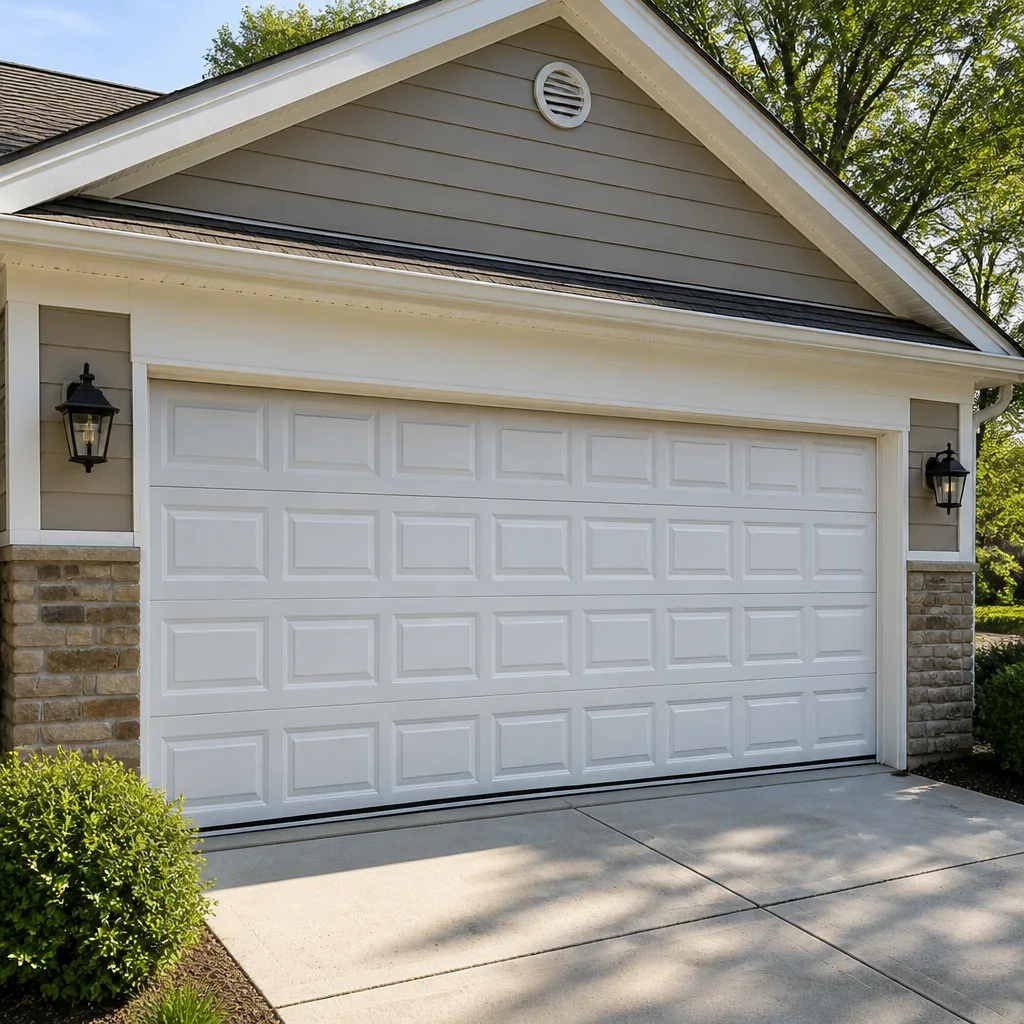 Raised-panel steel
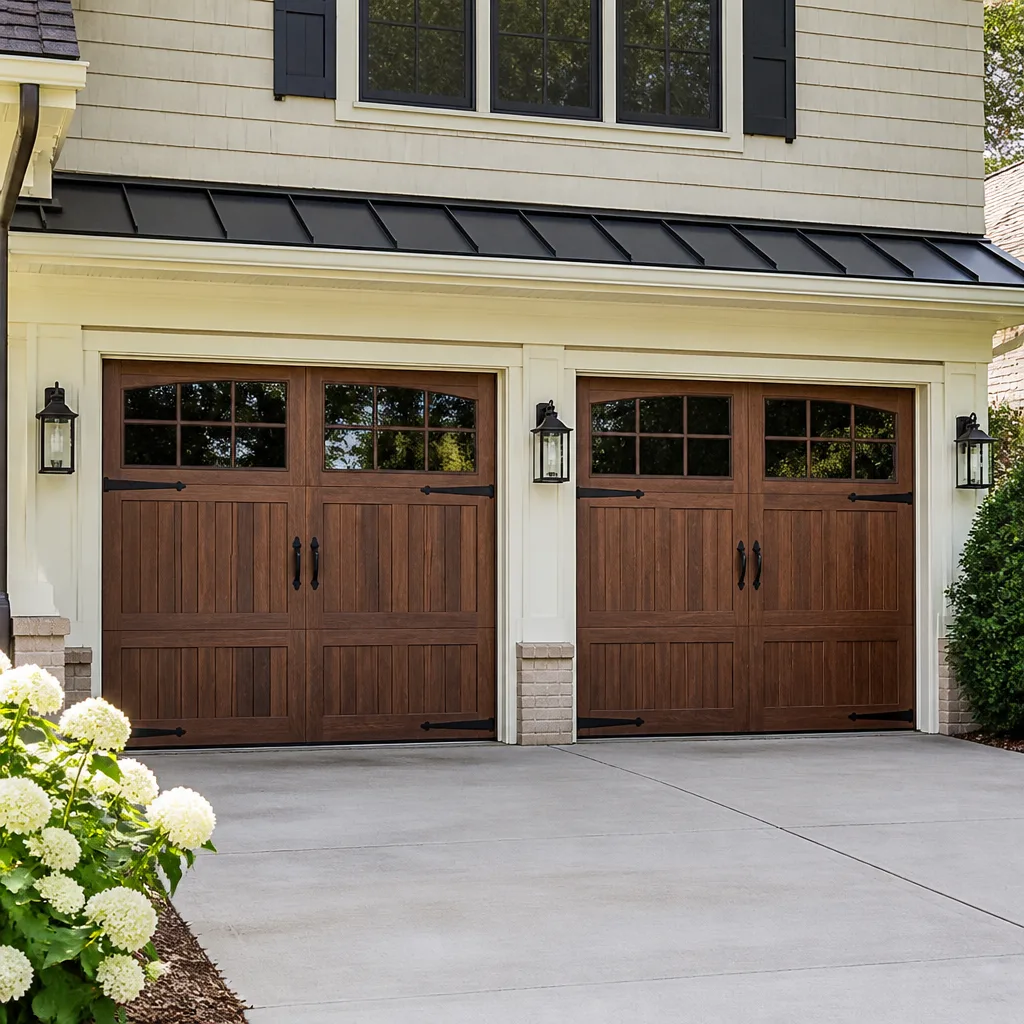 Carriage house
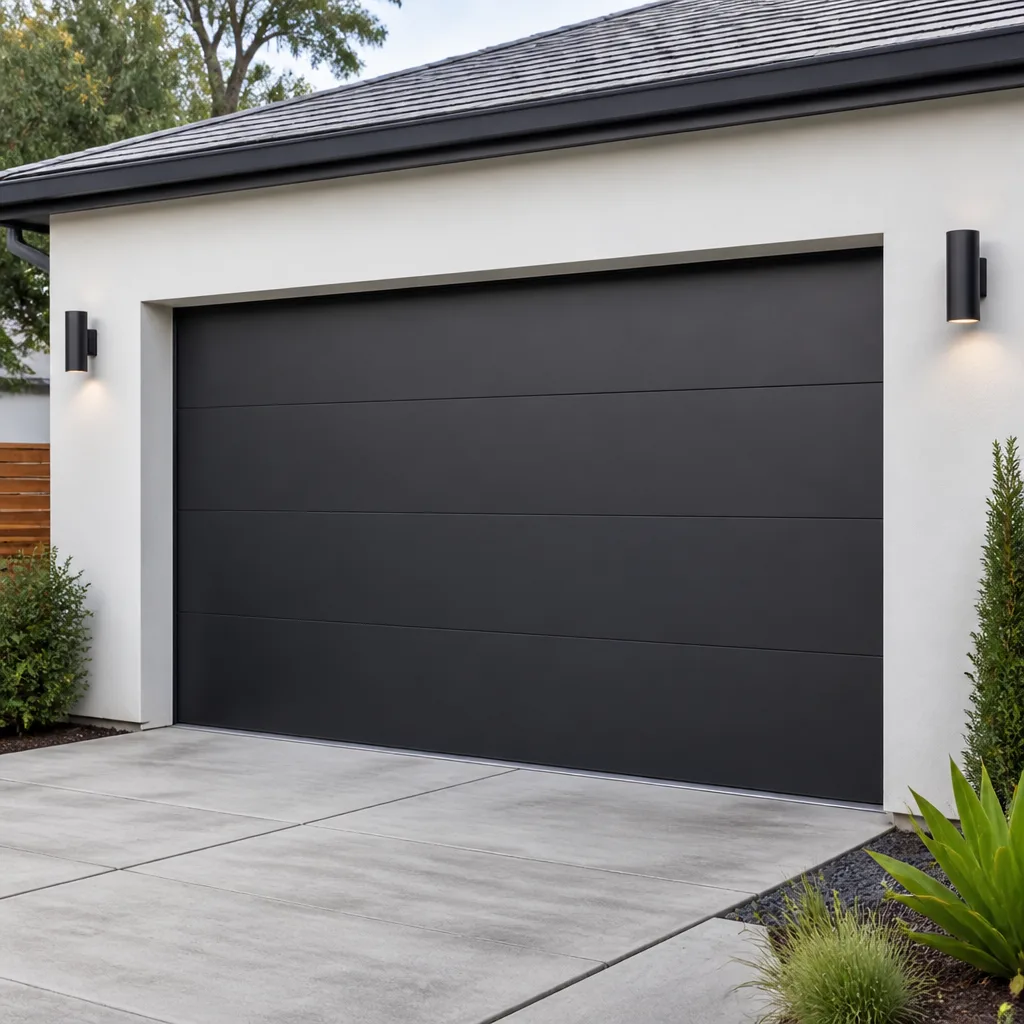 Modern flush
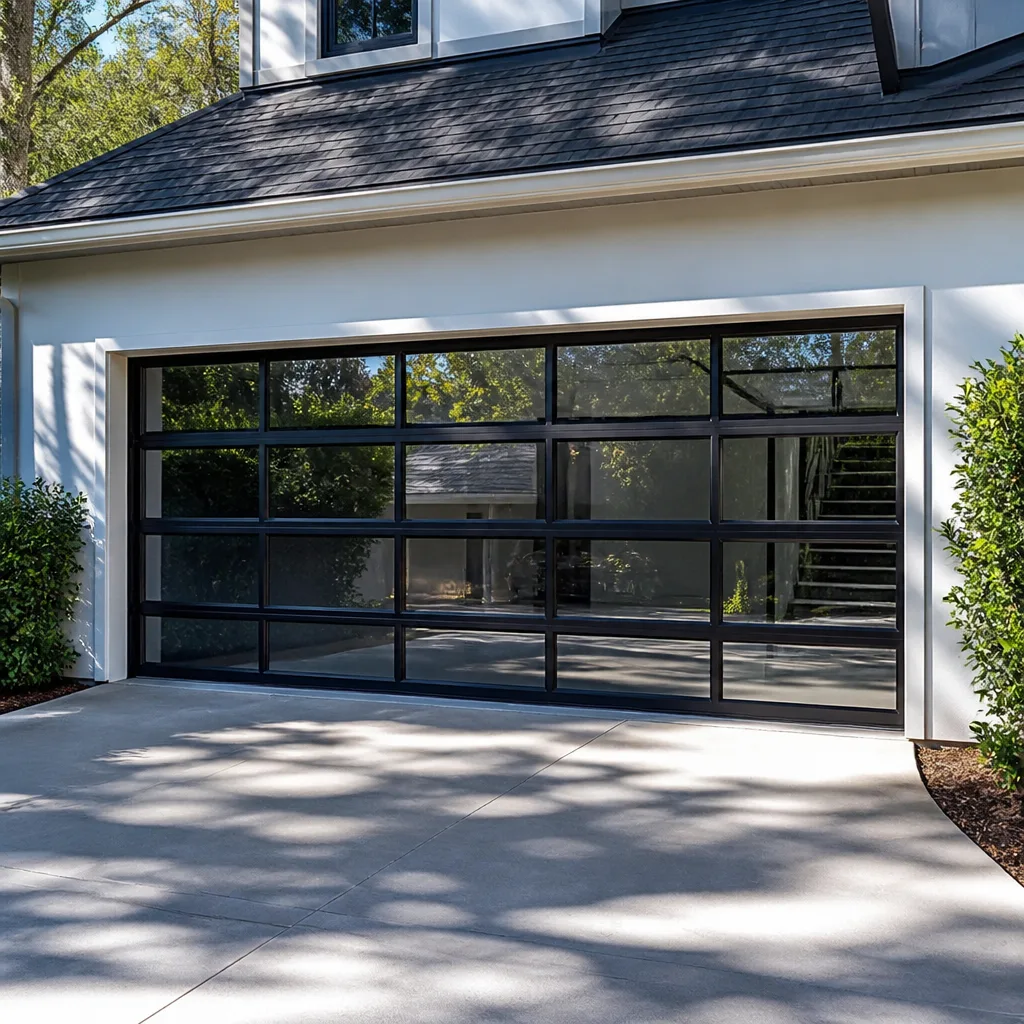 Full-view glass
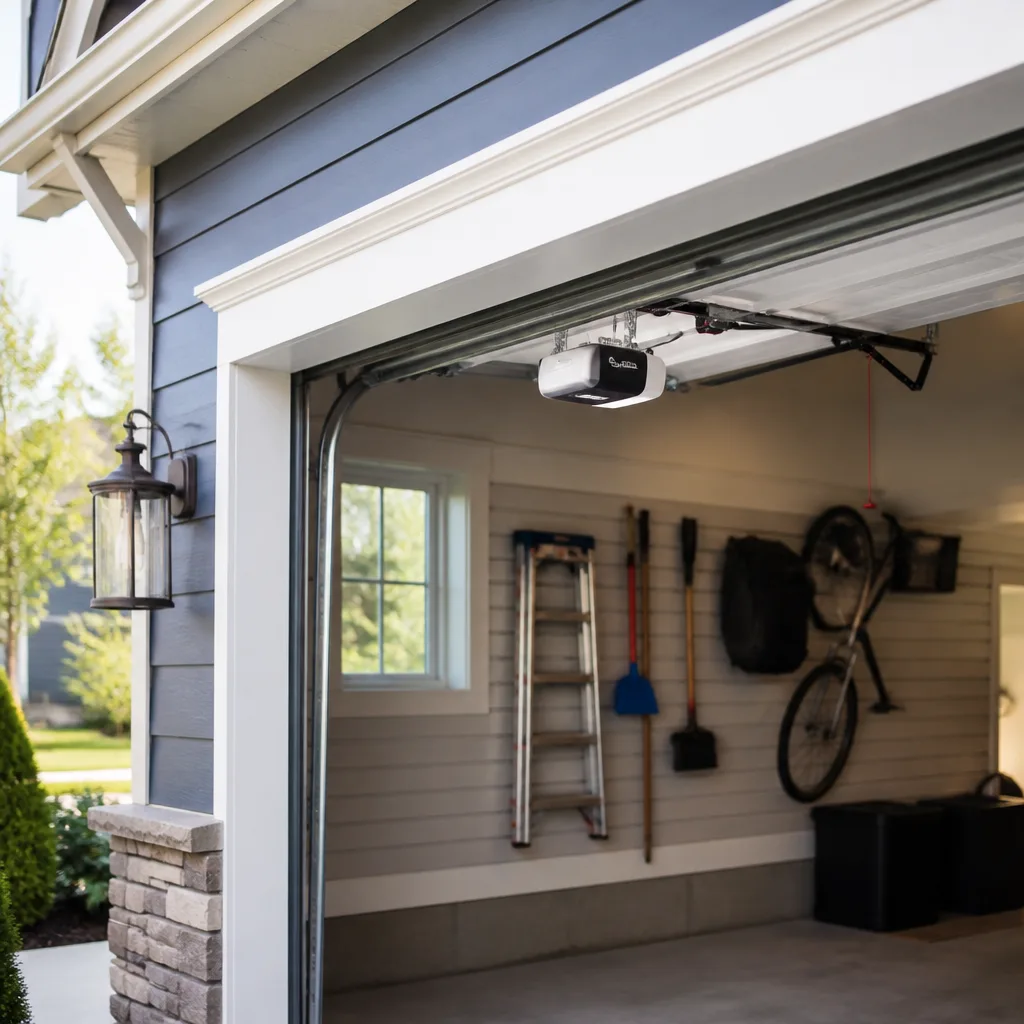 LiftMaster openers
 Chamberlain openers
Full 25-point door and opener safety check with every visit - springs, cables, rollers, tracks, and your LiftMaster or Chamberlain opener included
You get a price before we start. It does not change when the pro arrives.
Get your free estimateSeasonal Garage Door Care for Dorchester: Year-Round Homeowner’s Guide
Most homeowners assume summer is the hardest season on a garage door. In Dorchester, it isn’t. Spring failures cluster in January and March, when hard freezes and the thaw that follows put more stress on torsion springs than a whole humid July ever does. A spring is rated by cycle count, and cold contraction effectively pre-stresses it, as though it had run hundreds of extra cycles before you touched the remote. This guide walks through what actually happens to your door across a Dorchester year, what to check at each turn, and how a 15-minute seasonal habit keeps you out of the emergency-call category.
Quick Answer
Seasonal garage door care in Dorchester means tuning maintenance to two failure windows: the late-fall temperature drop and the spring thaw. Before the first deep freeze, replace compressed weatherstripping and the bottom seal, and lubricate moving metal. After winter, inspect hardware that shifted or corroded. Summer calls for a balance check as heat relaxes torsion tension. Fifteen minutes at each inflection point prevents most emergency repairs.
Styles & brands we work with
- Raised-panel steel
- Carriage house
- Modern flush
- Full-view glass
- LiftMaster openers
- Chamberlain openers
Table of Contents
- Why Dorchester’s Climate Stresses a Door Unevenly
- Fall Prep: Weatherstripping and the Bottom Seal
- Winter Operational Protocol
- Spring Thaw Inspection Priorities
- Summer Heat and Torsion Spring Tension
- The 15-Minute Seasonal Check
- Brand-Specific Notes for Dorchester Homes
- Common Mistakes to Avoid
Why Dorchester’s Climate Stresses a Door Unevenly
A garage door is a mechanical system with a narrow comfort zone. Steel expands and contracts with temperature. Torsion springs, which carry the door’s weight, change their stored energy as the metal around them shifts. In Dorchester, that shift happens fast and repeatedly. A January cold snap can take a door from a mild afternoon to a hard overnight freeze and back again within 36 hours. Each swing tightens or relaxes the spring, and the hardware responds.
Three Dorchester conditions drive the wear:
- Freeze-thaw cycling. Water gets into seams, seals and tracks, then freezes and expands. Repeated cycles pry weatherstripping away from the frame and stiffen the bottom seal until it no longer flexes.
- Road salt and grit. Dorchester’s winter streets send salt spray and grit onto driveway-facing hardware. Rollers, hinges and the bottom bracket pick up abrasive grit that accelerates wear through the wet months.
- Humidity swings. Summer humidity swells wood door panels and loosens painted steel joints. When the air dries in fall, those joints can rattle and shift alignment.
Neighborhood placement shapes the exposure. A door facing the open wind off Dorchester Bay or the Neponset takes more driven rain and ice than one tucked behind a triple-decker on a side street in Fields Corner or Adams Village. Homes along the more exposed ridges near Meeting House Hill see faster weatherstripping wear. That’s why the inspection focus differs house to house even within Dorchester, and why a single maintenance calendar still works if you tune the checks to your door’s actual situation.
The takeaway: Dorchester’s stress isn’t a slow summer bake. It’s a rapid, repeated squeeze from cold and thaw. Plan around that and the rest of the year gets easier.
Fall Prep: Weatherstripping and the Bottom Seal
Fall is the highest-value maintenance window on a Dorchester garage door, and weatherstripping is the reason. Once the first hard freeze sets in, a stiff, compressed bottom seal can freeze to the concrete and glue the door shut. That turns a routine morning into a stuck-door problem, and it makes manual operation difficult at exactly the wrong time. Replace the bottom seal and side weatherstripping before the freeze, not after.
Here’s the fall sequence we recommend:
- Inspect the bottom seal. Run a hand along the rubber where it meets the floor. It should feel pliable and sit flat with no gaps. Cracked, flattened or torn rubber needs replacing before cold weather.
- Check the side and top weatherstripping. Look for gaps at the corners and along the frame. Compressed foam or vinyl lets cold air and moisture in, which feeds freeze-lock at the edges.
- Lubricate moving metal. Apply a garage-door-specific lubricant to hinges, rollers, the torsion spring and the track. Never use grease that thickens in cold. A proper cold-rated lubricant keeps the door operating smoothly through a Dorchester January.
- Test the door’s balance. Disconnect the opener and lift the door halfway. It should hold in place. If it drops or rises on its own, the springs need attention before winter.
- Clear the tracks. Wipe grit and salt residue from the vertical and horizontal tracks so it doesn’t pack into the rollers when temperatures drop.
Wood doors need a coat of exterior paint or sealer in fall, especially on the bottom edge where moisture collects. Steel doors should get a check for bubbling paint or rust at the panel seams. Both jobs take under an hour and protect the door through the wet months ahead. If the weatherstripping has hardened to the point where it crumbles when you flex it, that’s your signal to replace it now rather than discover it frozen in January.
Winter Operational Protocol
Winter is where Dorchester homeowners do the most accidental damage, and it comes from a well-meaning habit: running a frozen or stiff door through repeated cycles to “work it loose.” Don’t. That single habit stresses an opener’s thermal overload faster than any other behavior. The motor detects resistance, the safety circuit intervenes, and repeated attempts push the unit toward shutdown or premature failure. A garage door opener isn’t built to fight ice.
When a door is stiff or frozen in cold weather, the right moves are simple:
- Clear the ice first. Chip ice from the bottom seal and the floor seam with a plastic scraper, never a metal tool that gouges concrete or tears rubber.
- Operate the door once and stop. If it binds or the opener strains, stop and diagnose rather than cycling it again. Repeated cycles on a binding door can strip a gear or trip the overload.
- Check the safety reversal in cold weather. Cold can stiffen the bottom seal enough that the door’s auto-reverse triggers on nothing. If the door won’t stay down, the seal may be the cause, not the opener.
- Keep the opener’s force settings where they belong. Turning up the force to push through a stiff door masks a problem and wears the motor. It’s an adjustment, not a fix.
There’s a reason spring failures spike in January in Dorchester. A torsion spring at full tension in the cold is closer to its failure point, and one stiff cycle can be the last straw. If a spring ever snaps, stay away from the door: the tension is sudden and the door becomes very heavy. Torsion and extension springs are the most mechanically dangerous part of any garage door, and that’s a repair for a trained technician, not a weekend project. Our technicians handle Garage Door Repair Dorchester spring work directly because generalists often decline it or send it out. We answer 24/7. Fast dispatch from 7am to 7pm, Sunday through Friday. If a door fails mid-winter, the fastest path is a call, not another cycle.
Spring Thaw Inspection Priorities
When the thaw arrives in Dorchester, the door that survived winter can still be out of alignment. Freeze-thaw movement shifts hardware, salt and grit corrode the moving parts, and the door that ran quietly in November may suddenly feel off. The thaw window is when you want to catch these shifts before heavy daily use resumes.
Inspect in this order:
- Springs. Look for gaps in a torsion spring, or stretched and sagging extension springs. A visible gap means a broken spring, and the door should not be operated until it’s repaired.
- Cables. Check for fraying, sagging or cables that have jumped their drums. Cables are under tension and belong in the hands of a professional if anything looks wrong.
- Rollers and hinges. Winter grit wears rollers and loosens hinge screws. A wobbly roller or a hinge pulling away from the panel shifts the whole door out of track.
- Tracks. Look for dents or bends from ice and debris. Even a small bend in a track forces the door to fight the rail.
- Bottom seal and weatherstripping again. After a Dorchester winter, sealing that looked fine in fall may now be cracked or displaced.
Balance is the single best test of a thaw-stressed door. Disconnect the opener, lift the door to the halfway point, and let go. A balanced door stays put. One that slides down or rises on its own is telling you the spring tension has drifted, and the opener has been compensating for it all winter. That’s the moment to book a check, because the opener takes the wear when the door is out of balance.
This is also the season to look at the opener’s condition as a whole. If it’s older and you’ve noticed it straining, it may be time for garage door opener repair or a smart-home upgrade. We work on LiftMaster, Chamberlain, Genie, Craftsman and Raynor systems, so the unit on your ceiling is one we know before we arrive.
Summer Heat and Torsion Spring Tension
Here’s a counterintuitive one: a door that balanced perfectly in March may feel heavy by July. Heat expands the spring steel and the door panels, and torsion tension calibrates differently at 90 degrees than at 40. A door that was dead-level in the thaw can start drifting down on its own, or feel hard to lift by hand, by mid-summer. That’s not a sign the spring is failing; it’s a sign the tension was tuned for cooler temperatures.
What to watch in a Dorchester summer:
- Balance drift. The same halfway test from spring. If the door no longer holds, the tension is off for the heat.
- Panel swelling. Wood doors swell in humidity and can bind in the tracks. Steel panels can rattle as joints loosen.
- Opener strain. If the opener sounds louder or slower, the door may have gotten heavier with the heat.
- Lubrication. Summer is a good time for a light re-lube of hinges, rollers and spring, before the fall prep window.
The practical point: don’t re-tune a torsion spring yourself for seasonal drift. The spring system is under high tension, and miscalibrating it is genuinely dangerous. If the door feels heavy or won’t stay balanced in summer, a technician can check the tension and the whole assembly in one visit. If you’ve been putting off a new door, the summer is also a good time to plan garage door installation for Amarr, Wayne Dalton or Clopay models, because that work is measured, ordered and scheduled rather than rushed.
The 15-Minute Seasonal Check
The reason seasonal maintenance gets skipped is that it feels like a project. It isn’t. Built into the year at the right points, it’s a 15-minute habit. Here’s how to structure it so it fits the natural rhythm of a Dorchester household rather than sitting on a to-do list.
- Tie it to the calendar change, not a reminder. Do the fall check when you put the storm windows up and drain the hoses. Do the spring check when the clocks change. The seasonal task and the home ritual happen together, and you won’t forget either.
- Do the 60-second walk-around first. Look at the door from the driveway. Gaps in the seal, an uneven bottom edge, a bent track or a leaning panel are visible from ten feet away.
- Run the balance test. Disconnect the opener and lift the door to halfway. This one test catches most tension problems before they become spring failures.
- List, don’t fix. Write down what’s off (a cracked seal, a wobbly roller, a frayed cable). Handle the safe items like lubrication and seal replacement yourself, and hand the tension and cable work to a technician.
- Keep a simple log. A note on the door frame of what you checked and when tells you if a problem is seasonal drift or a real decline.
Do this in October, again in March, and once in summer for the heat balance check, and you’ll cover the three inflection points that matter in Dorchester. The fall and spring checks are the load-bearing ones. The summer check is a light pass. Together they catch the failures before they turn into emergency calls on a cold January morning.
If you’d rather have a technician do the seasonal pass, the garage door repair side of our work handles exactly this: a check-and-correct visit that catches drift, corrosion and seal wear before they compound. Estimates are free, and the price is quoted and agreed before any work starts.
Brand-Specific Notes for Dorchester Homes
A lot of Dorchester garages run older equipment, and the age shows in specific ways per brand. Knowing the brand tells you what to check first. We’re trained across the eight leading door and opener brands, and a few come up constantly in Dorchester’s housing stock.
- Craftsman openers. Common on doors installed decades ago and still running. The chain-drive units are durable, but worn gears and tired capacitors cause the “hums but won’t move” symptom. Check the gear and capacitor before assuming it’s a motor failure.
- Wayne Dalton doors. Often paired with their own torsion setups. Panel alignment and bottom seal wear are the usual seasonal culprits, especially on doors facing open wind.
- Amarr and Clopay steel doors. Weatherstripping and bottom seal replacement is the seasonal priority on these, and the seals are the first thing Dorchester freeze-thaw cycles attack.
- Raynor and LiftMaster systems. Raynor doors and LiftMaster openers are a common pairing. On the opener side, safety sensor alignment and battery backup health are worth checking each fall.
The door and the opener are one system, and a problem in one shows up in the other. A binding door strains the opener; an opener with a bad sensor reverses a perfectly good door. That’s why our checks cover both. One call covers both the door and the opener, which saves you tracking down two trades.
If you only need a part and not a full repair, we supply the specific component too. Need the part, not the full repair? We supply that. Rollers, hinges, seals, sensors, springs and openers for all the major brands are available without an upsell to a full service call. Garage doors only, that’s the whole job, so the parts are the right parts, not a generalist’s best guess.
Common Mistakes to Avoid
- Cycling a frozen door to work it loose. This is the fastest way to stress an opener’s thermal overload. Clear the ice and operate once, then diagnose.
- Skipping the fall seal replacement. A bottom seal that looked fine in September can freeze to the concrete in January. Replace it before the freeze, not after the door sticks shut.
- Turning up opener force to push through resistance. It masks the problem and wears the motor. The right fix is finding what’s binding, not more force.
- DIY spring or cable work. Torsion and extension springs are under high tension and can release suddenly. The cost of a professional spring repair is far less than the risk of a DIY injury.
- Ignoring summer balance drift. A door that balanced in March and feels heavy in July is telling you the tension is off for the heat. The opener takes the wear if you don’t address it.
- Running a door with a visible spring gap or frays. A gap in the torsion spring or a frayed cable means stop operating and call. Continuing to run it makes the eventual repair a bigger job.
- Assuming a generalist handles garage door work. Many general contractors decline or outsource spring and opener work. A single-trade specialist knows your brand and the seasonal failure patterns specific to Dorchester.
See the difference
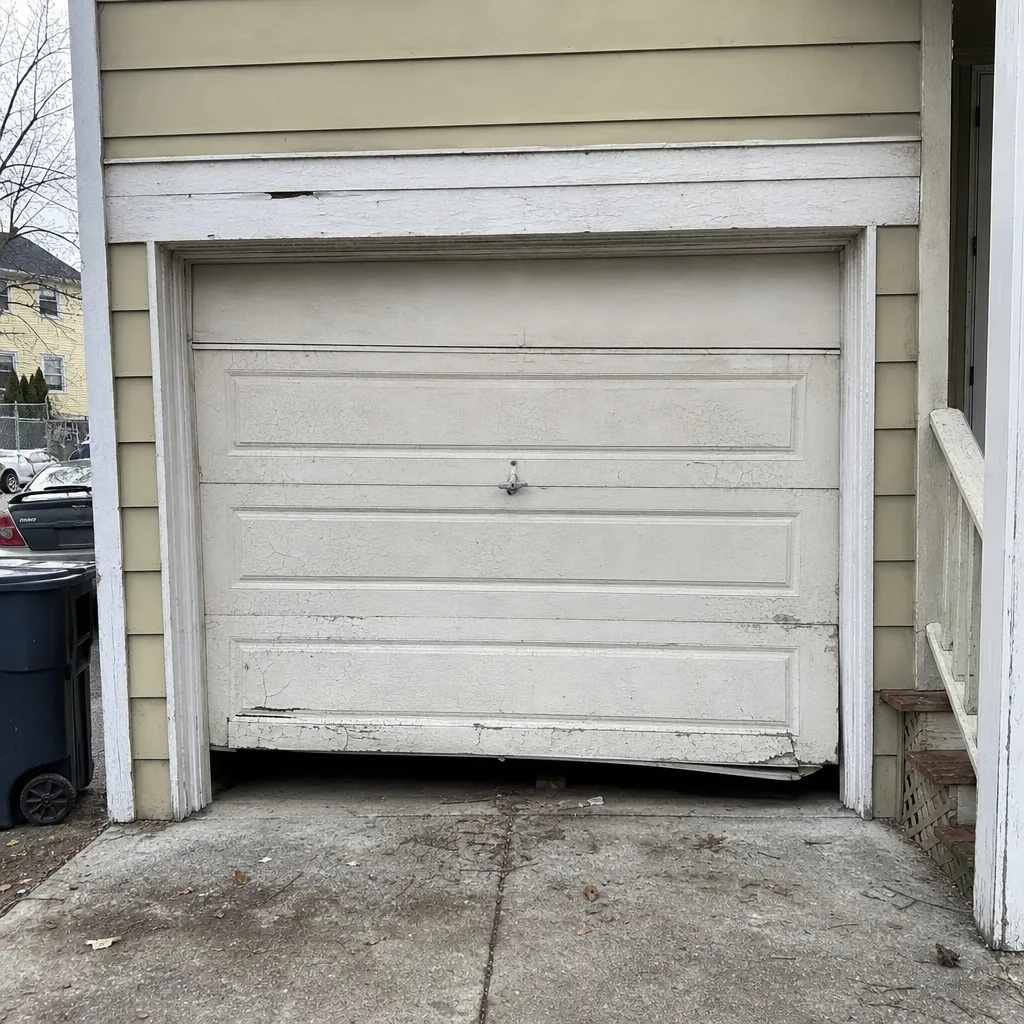 Before
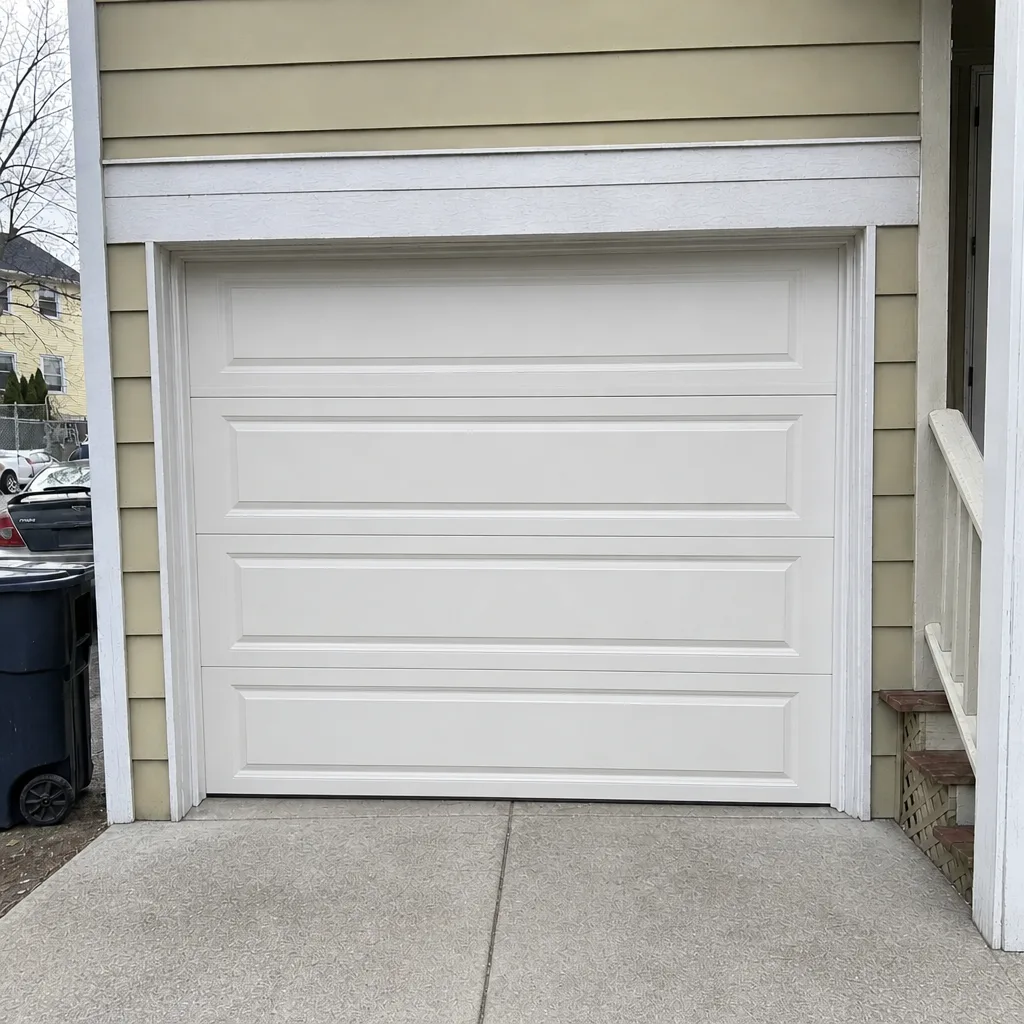 After
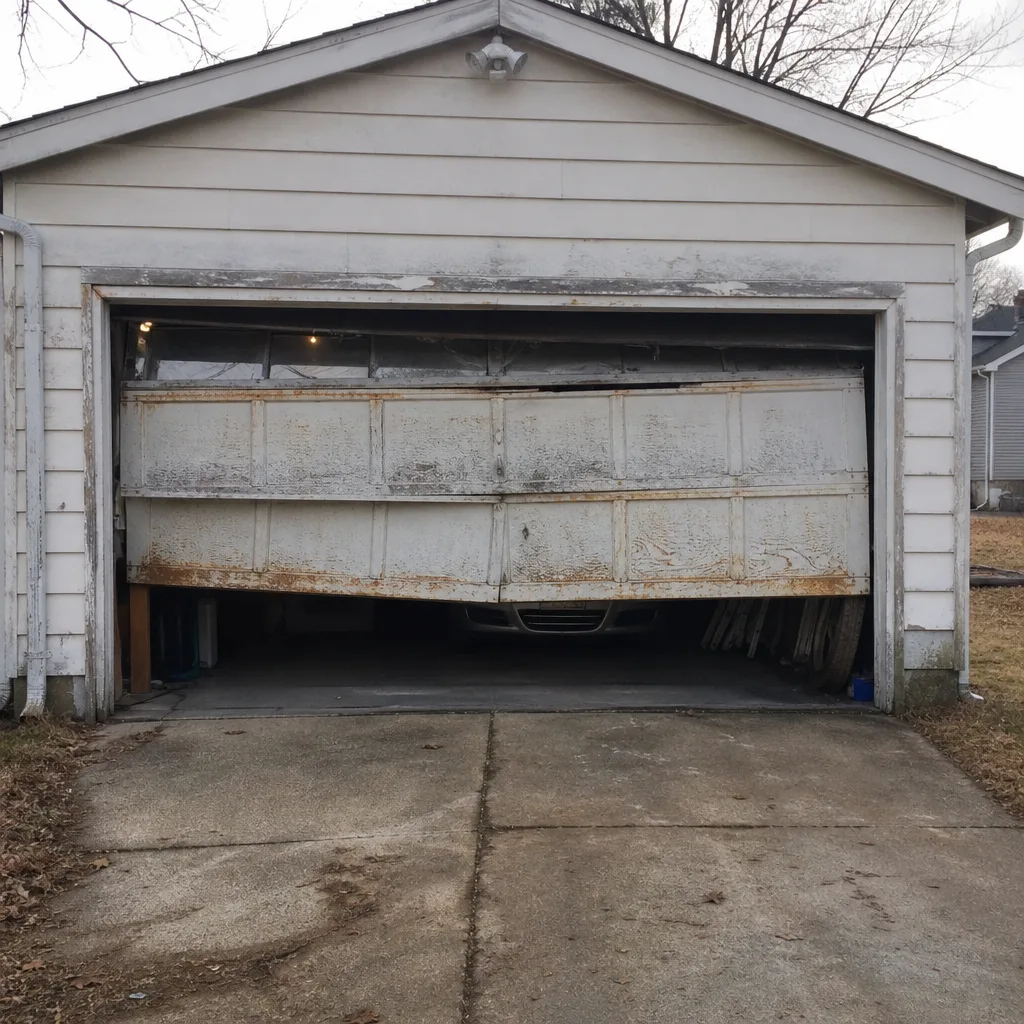 Before
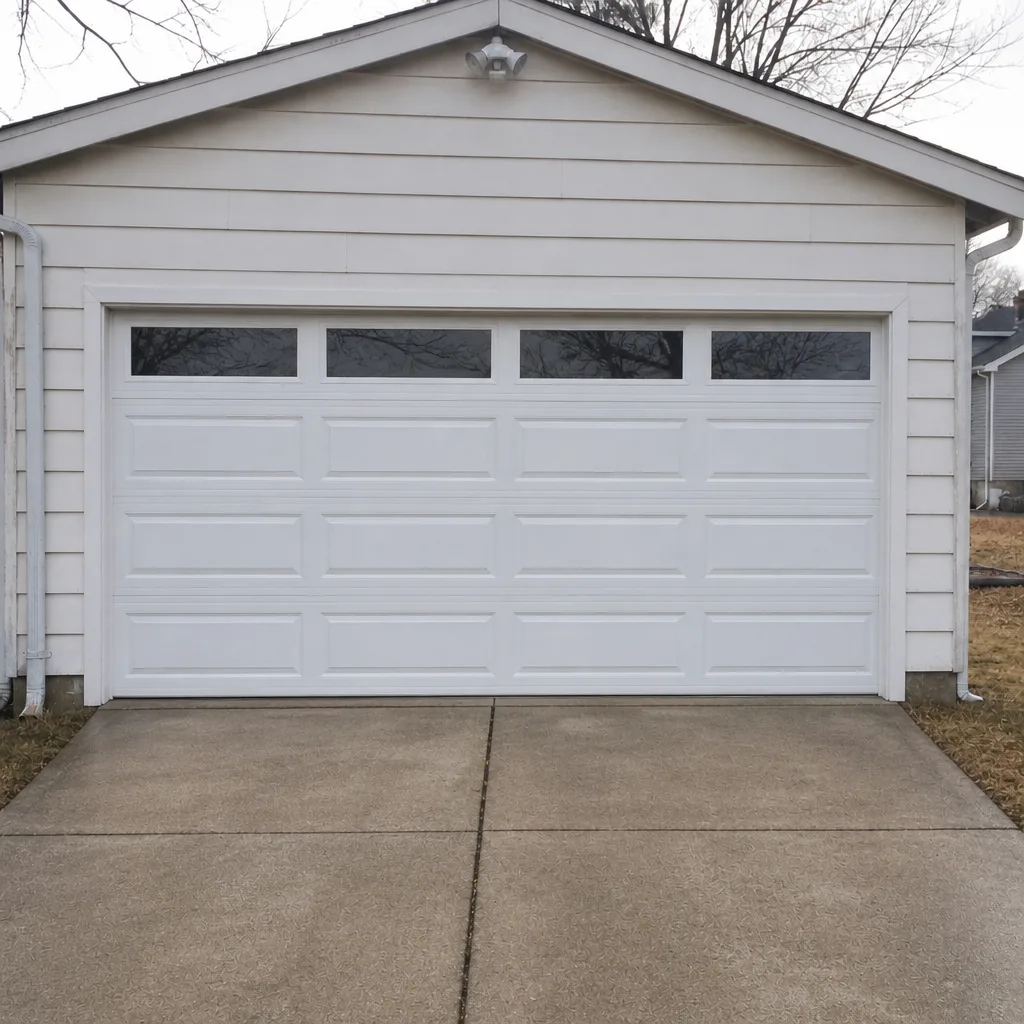 After
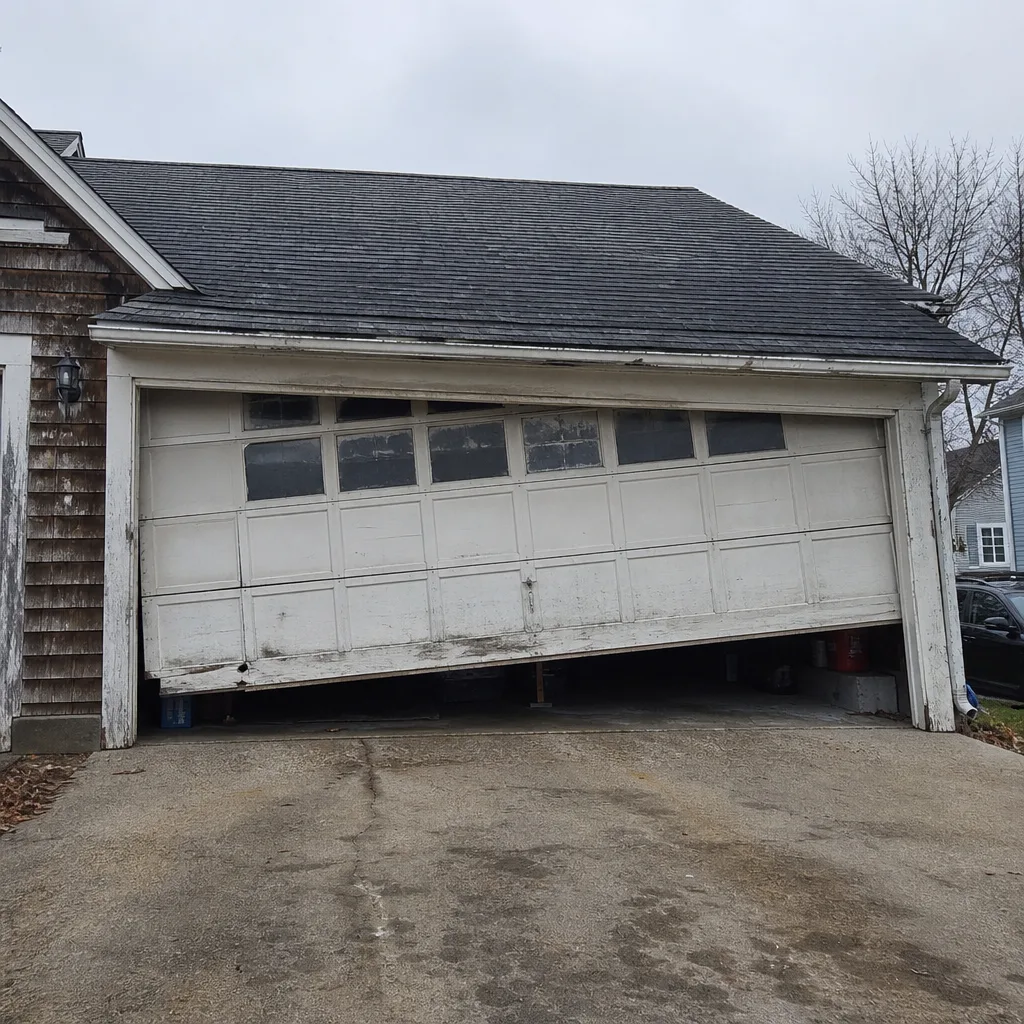 Before
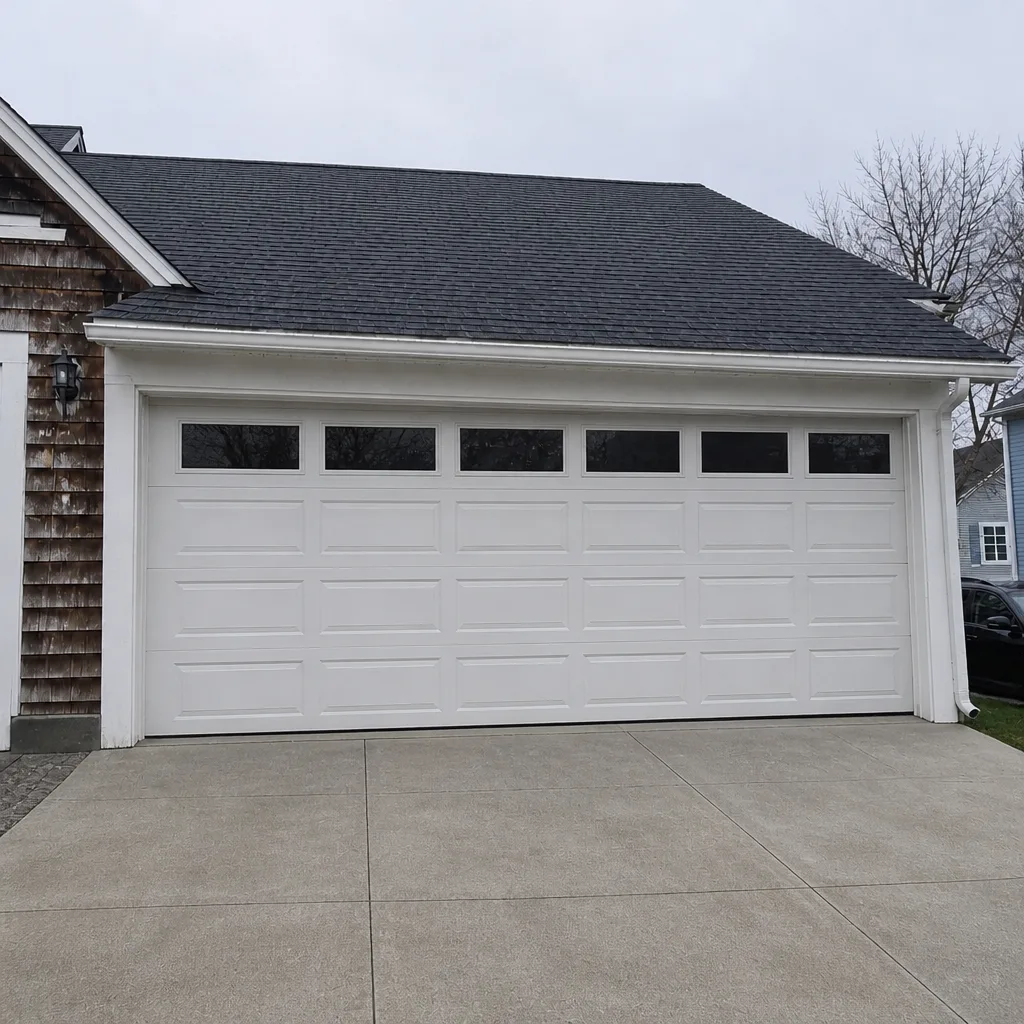 After
When to Call a Professional
Most seasonal checks you can do yourself. A few things are an immediate call, no second-guessing. A snapped torsion spring, a frayed or jumped cable, a door that won’t stay balanced after a tension check, a bent track, an opener that hums without moving, or a door that reverses on nothing are all signs to hand off the repair. The same goes for any binding or grinding that got worse over a winter or a summer heat wave. Garage Door Repair Dorchester offers free estimates in Dorchester, and the price is quoted and agreed before any work starts, so there’s no surprise invoice. Call (855) 500-4346. Our technicians have up to 12 years of experience, and we work on every major brand. Your written estimate sets the final price.
Frequently Asked Questions
Schedule the main check in early fall, before the first hard freeze, and a second in early spring after the thaw. Those are the two highest-failure windows in Dorchester. Add a light balance check in summer for heat-related tension drift. If you only do two, make them fall and spring.
Cold temperatures contract the spring steel and effectively pre-stress the spring, pushing it closer to its failure point. Freeze-thaw cycling compounds the stress, which is why failures spike in January and March here rather than after summer humidity. A stiff, binding door in a freeze is often the last straw for a fatigued spring, so handle binding early and don’t cycle a frozen door repeatedly.
Spring repair in Dorchester is typically estimated per job, and a matched pair is usually replaced together. A single spring is one range, and a pair runs about twice that. For an exact figure, call (855) 500-4346. Estimates are free, and the written estimate sets the final price before any work starts.
Yes. Lubricating hinges, rollers, the track and the torsion spring with a cold-rated garage-door lubricant is a safe, helpful seasonal task. The line is tension work: don’t touch springs, cables or the opener’s force settings. Those are under high tension and belong to a trained technician.
It can be. Heat expands the spring steel and changes torsion tension, so a door that balanced perfectly in March may feel heavy by July. That’s seasonal drift, not necessarily a failing spring, but it should be checked. The opener takes the wear when a door is out of balance, so book a balance check if the door won’t hold at halfway.
Yes. We work on Craftrrsman, Wayne Dalton, Amarr, Clopay, Raynor, LiftMaster, Chamberlain and Genie equipment. Older openers often have worn gears or tired capacitors rather than motor failure, and those are diagnosable and repairable without replacing the whole unit. One call covers both the door and the opener.
The Bottom Line
Dorchester doesn’t stress a garage door evenly through the year. The two failure windows are the late-fall drop and the spring thaw, with a lighter balance check in summer. Build a 15-minute check around those three points: replace the bottom seal and weatherstripping before the freeze, never cycle a frozen door to loosen it, inspect springs and cables at the thaw, and re-check balance as summer heat changes tension. Handle the safe items yourself and hand tension, cables and anything binding to a trained technician. Done consistently, this habit prevents most of the emergency calls we see in Dorchester. The price is quoted and agreed before any work begins, and the written estimate sets the final price.
Call (855) 500-4346 for a free estimate. We answer 24/7. Fast dispatch from 7am to 7pm, Sunday through Friday. We work on LiftMaster, Chamberlain, Genie, Clopay, Amarr, Wayne Dalton, Craftsman and Raynor equipment, so we know your brand before we arrive.
Written by the team at Garage Door Repair Dorchester.